Category: Uncategorized

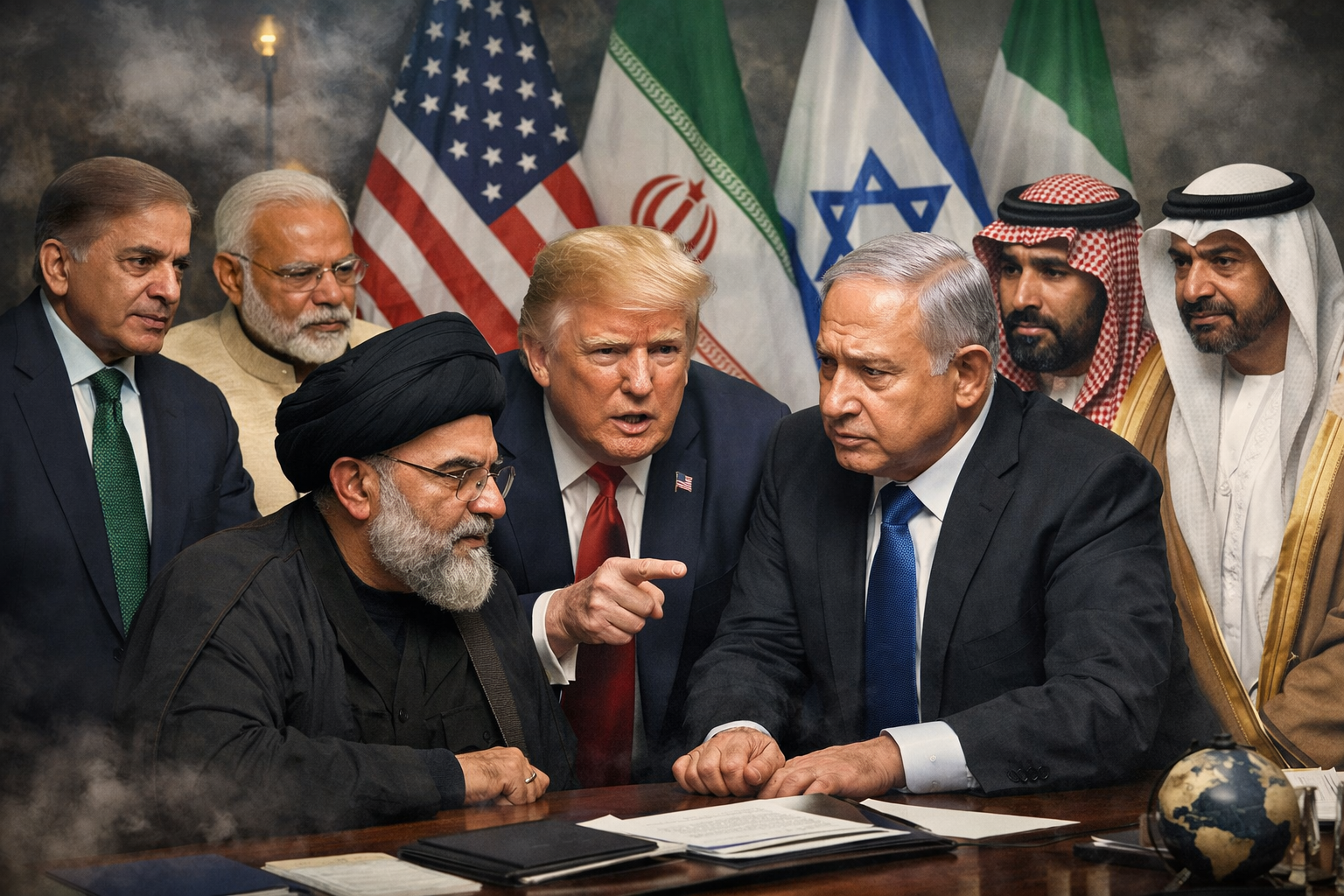
  • Inside Trump’s Board of power                                                     

    Inside Trump’s Board of power                                                     

    This article has been published with : Inside Trump’s ‘board of power’

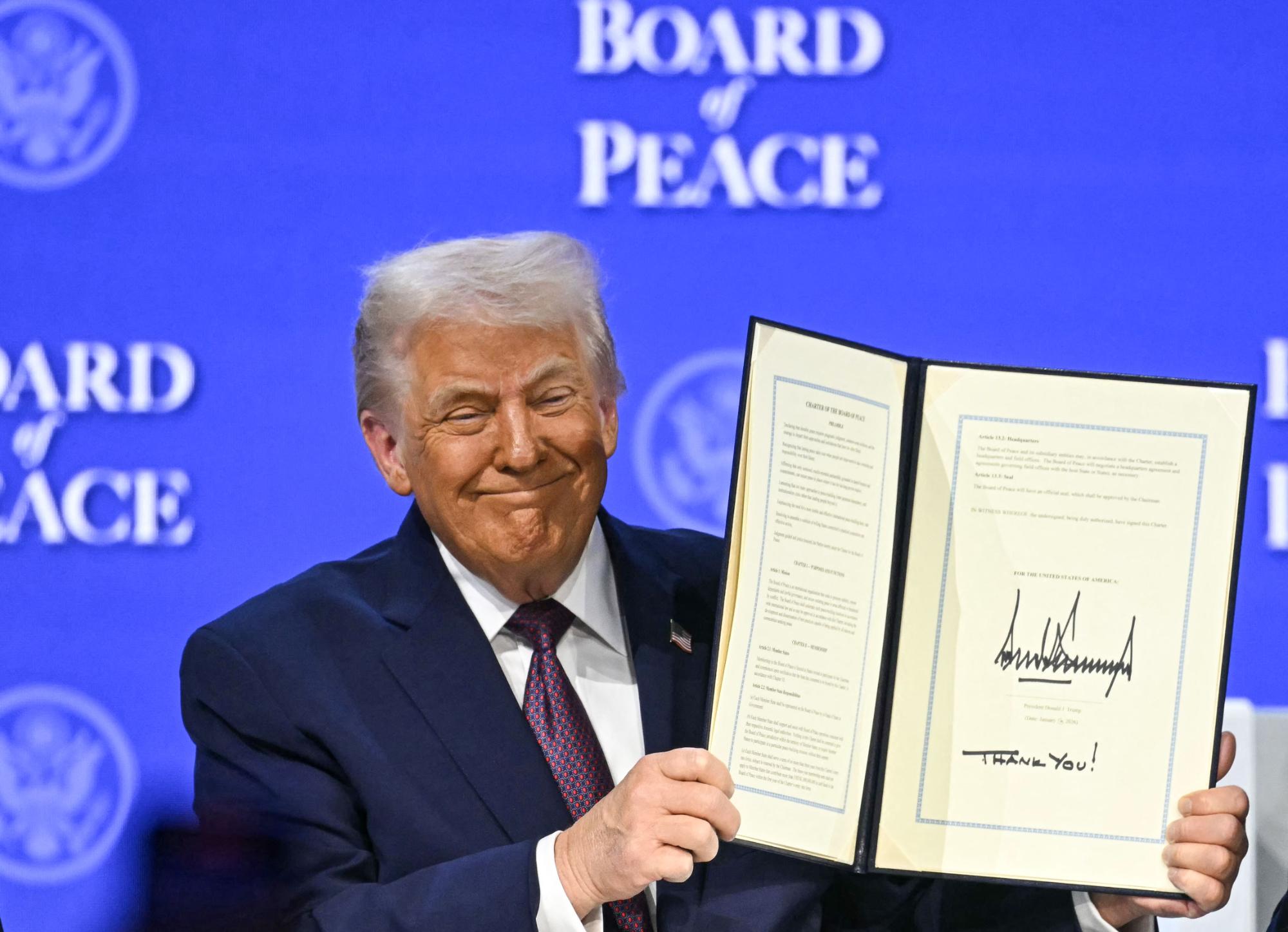
    The Board of Peace (BoP) is best understood not as a genuine multilateral initiative, but as a quasi-international body personally engineered by Donald Trump. While the United States initially sought UN backing for post-war plans in Gaza, the BoP’s final structure was unilaterally altered, hollowing out any claim to collective legitimacy.

    Crucially, the Board does not even explicitly mention Gaza, the very crisis it claims to address.

    This is not a small omission. Gaza was the moral and political justification for the initiative. Removing it from the formal mandate points toward a shift from humanitarian responsibility.

    Organisationally, the BoP departs sharply from accepted international norms. Trump has appointed himself chairman, while the executive board reportedly includes family members and close associates. More troubling is who is not represented: there is no Palestinian political leadership on the Board. 

    At best, a handful of Palestinian “technical experts” are included without any democratic mandate, and without recognition of the Palestinian people’s right to decide their own future.

    Perhaps the most disturbing inclusion is that of Benjamin Netanyahu, even as he faces serious allegations of committing acts of genocide.

    A peace forum that sidelines the victims while offering a seat at the table to those accused of grave crimes sends a clear message that ‘power speaks louder than justice’.

    Trump has defended the Board of Peace as an alternative to the United Nations, arguing that the UN is fractured, slow and ineffective. Many would agree that the UN has its flaws, but frustration with multilateralism does not justify abandoning it altogether.

    Creating a parallel international structure based on personal authority is not reform, it is replacement by force of influence.

    This move also fits a broader pattern. The US withdrawal from the World Health Organisation weakened global public health coordination. His great ‘MAGA’ ambitions now seem to undermine public health as well.

    Additionally, his disregard for the Paris agreement which jeopardises collective climate action. In each case, institutions were dismissed as unfair or inconvenient.

    Well, the Board of Peace follows the same logic; when global rules limit power, build a new table and decide who gets a seat.

    For Palestine, this is more than bad diplomacy, it is a betrayal of the very principles meant to protect stateless and occupied people. Decisions about governance, security and reconstruction are being shifted away from international law into a US-controlled forum where accountability at its helm remains absolutely vague.

    This brings us to India now. As India was among the 22 countries invited to join the Board of Peace, yet New Delhi chose not to attend the launch. That hesitation was not diplomatic indifference it was prudence.

    One immediate red flag is that Pakistan has already joined the Board, complicating India’s strategic position in a forum shaped largely by US preferences.

    India, with its diplomatic tradition rooted in strategic autonomy, non-alignment and respect for international law, has little to gain from joining such an ad-hoc and personalised initiative.

    A board tied so closely to one political figure’s authority and preferences lacks durability and credibility. It could easily lose relevance once Trump exist the political stage.

    Importantly, staying out does not mean disengagement. India has consistently supported Palestine through humanitarian aid, medical assistance, engagement with UNRWA, and quiet diplomacy via its office in Ramallah.

    India has previously resisted U.S.-led unilateral ventures. In 2003, the Vajpayee government declined Washington’s request to send Indian troops to Iraq, reaffirming that peacekeeping must be conducted only under the UN framework.

    Supporting Trump’s Board of Peace, would weaken India’s moral standing. Rather than endorsing it, New Delhi should press for its integration into the UN Department of Peace Operations ensuring a multilateral oversight, and accountability, in which Gaza is included.

  • Iran’s reckoning, world’s calculations

    Iran’s reckoning, world’s calculations

    This article has been published with: Iran’s reckoning, world’s calculations

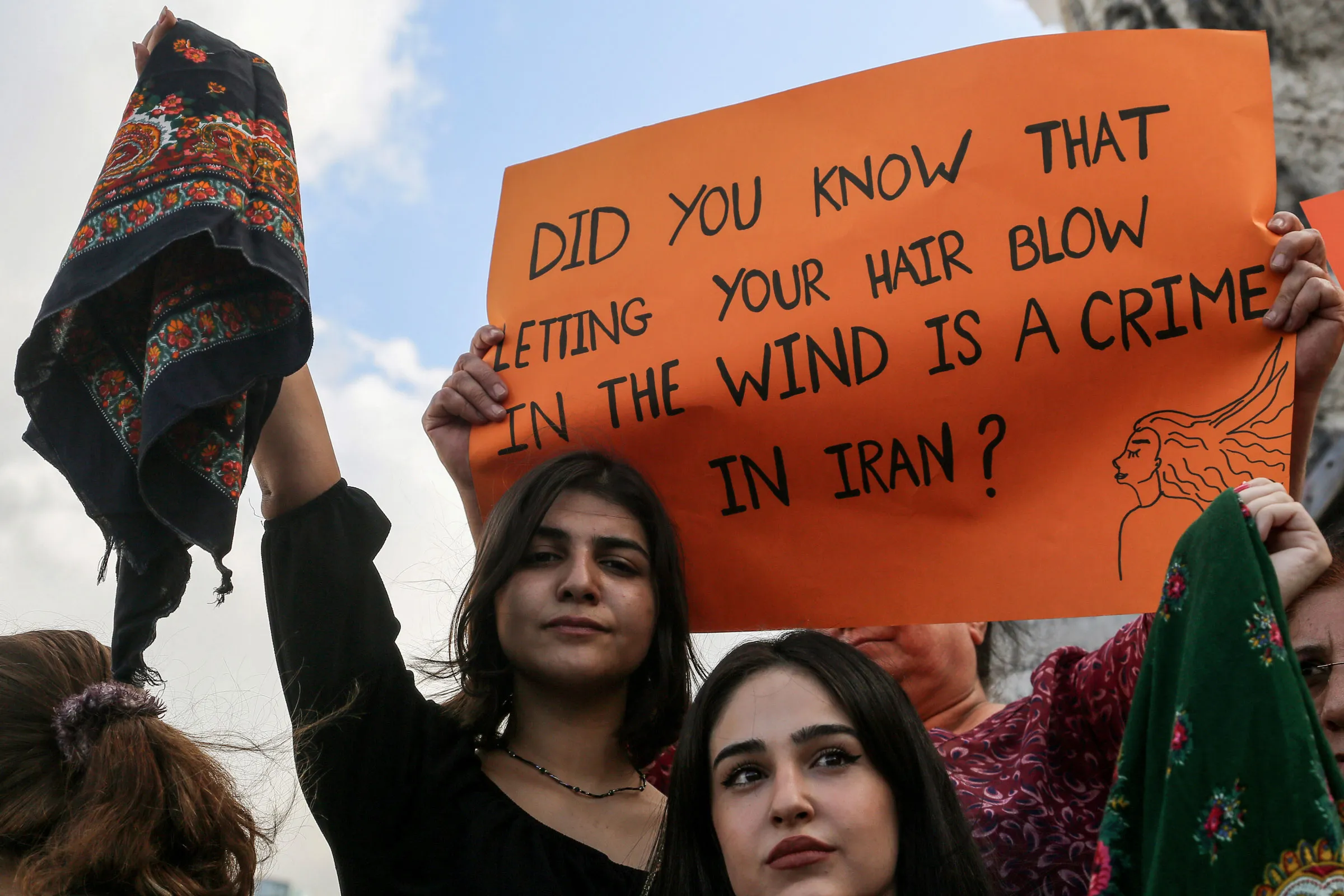
    Iran is in the middle of the most serious political unrest it has seen since 1979, and it is increasingly hard to pretend that this is just another wave of protest that the system can absorb. Across Tehran, Shiraz and dozens of other cities, crowds that once protested economics are now openly challenging the Supreme leader and the ideological foundations of the theocratic state.

    The Iranian government’s response has been brutal. Mass arrests, live ammunition, nationwide internet shutdowns and reports of death sentences are part of a crackdown that human rights groups say has killed thousands and detained tens of thousands more.

    It is repression that only highlights a deeper fracture, between a sovereign that fears dissent and a society that feels unheard.

    But Iran’s crisis is no longer contained within its borders. The world is watching and calculating.

    The United States and Israel are watching Iran’s instability as a strategic opening. President Donald Trump’s talk of ‘regime change’ and warnings of military intervention may play well domestically, but they are reckless in this context. They risk turning a domestic political reckoning into an international confrontation and handing Iranian hardliners the narrative they depend on: the nation is under siege and dissent equals betrayal.

    This does not protect protesters, it exposes them.

    Trump slapping a 25 per cent tariff on countries trading with Iran signals pressure not just on Tehran but on the global partners that sustain its economy. That move drew swift criticism from China, which threatened retaliatory measures, picturing how Iran’s fate is entangled with broader Sino-American rivalry.

    Within the US itself, calls for harsher action are emerging from influential quarters. Some US lawmakers have urged expansive military and cyber responses, framing Tehran’s crackdown as a threat to world order.

    Israeli officials have spoken in support of the protests, calling them a fight for freedom. But their interest is also strategic. For Israel, unrest in Iran weakens a major regional rival. Comments from Israeli intelligence officials about activity inside Iran suggest the protests are being seen as an opportunity, not just a moral cause.

    But Iran’s warnings to the US and Israel reflect this fear. Tehran knows that foreign involvement would change the nature of the crisis. A domestic protest movement would quickly turn into an international conflict. That shift would serve outside powers far more than it would help the people protesting on the streets.

    Other global players are no less invested, even if they are quieter.

    Both Russia and China have little interest in regime change and particularly in stability that weakens Western influence. For them, Iran is a strategic partner in energy, arms and diplomacy and also a useful counterweight to US power. They are likely to back the regime diplomatically, even as it bleeds legitimacy at home.

    Europe has denounced Iran’s violent crackdown. The United Kingdom has pledged expanded sanctions on Tehran’s financial, energy and transport sectors in response to killings and arrests. Yet, for European leaders, disruption in Iran could exacerbate migration pressures, threaten energy supply dynamics and deepen geopolitical rivalry with Russia.

    India’s stance has been quite cautious. The Ministry of External Affairs has urged Indian nationals to avoid travel to Iran and has informed that New Delhi is monitoring developments closely, but it has stopped short of overt criticism or strong support. That reflects India’s position as an energy partner and user of Iranian trade routes, particularly through Chabahar port.

    Delhi’s priority is stability that secures energy and connectivity, not instability that threatens supply chains or regional security.

    Iran’s unrest is not happening in a vacuum. Every major external actor is making moves shaped by strategic interests, not solidarity. What emerges is a familiar pattern. Iran’s internal crisis is being absorbed into the calculations of others.

    Even the memory of “Woman, Life, Freedom” protests remains fresh. That movement exposed both the depth of public anger and the limits of repression. The current unrest builds on that unfinished crisis. It is broader, more openly political and less willing to accept symbolic concessions.

    Iran now faces choices with lasting consequences. A violent crackdown may impose surface order but will deepen isolation and resentment. A collapse of authority risks instability and fragmentation. Foreign intervention would almost certainly escalate the crisis beyond Iran’s borders.

    None of these outcomes are desirable. All of them are plausible. What is no longer plausible is a return to the old normal.

    A society that no longer believes it is represented cannot be governed indefinitely through fear. A state that no longer listens eventually loses control over the story it tells about itself.

    Iran’s future is being shaped in this moment, not only by what happens on its streets, but by how its rulers respond and how external powers choose to use this moment, especially Trump.