Tag: news

  • How India began owning its reform agenda

    How India began owning its reform agenda


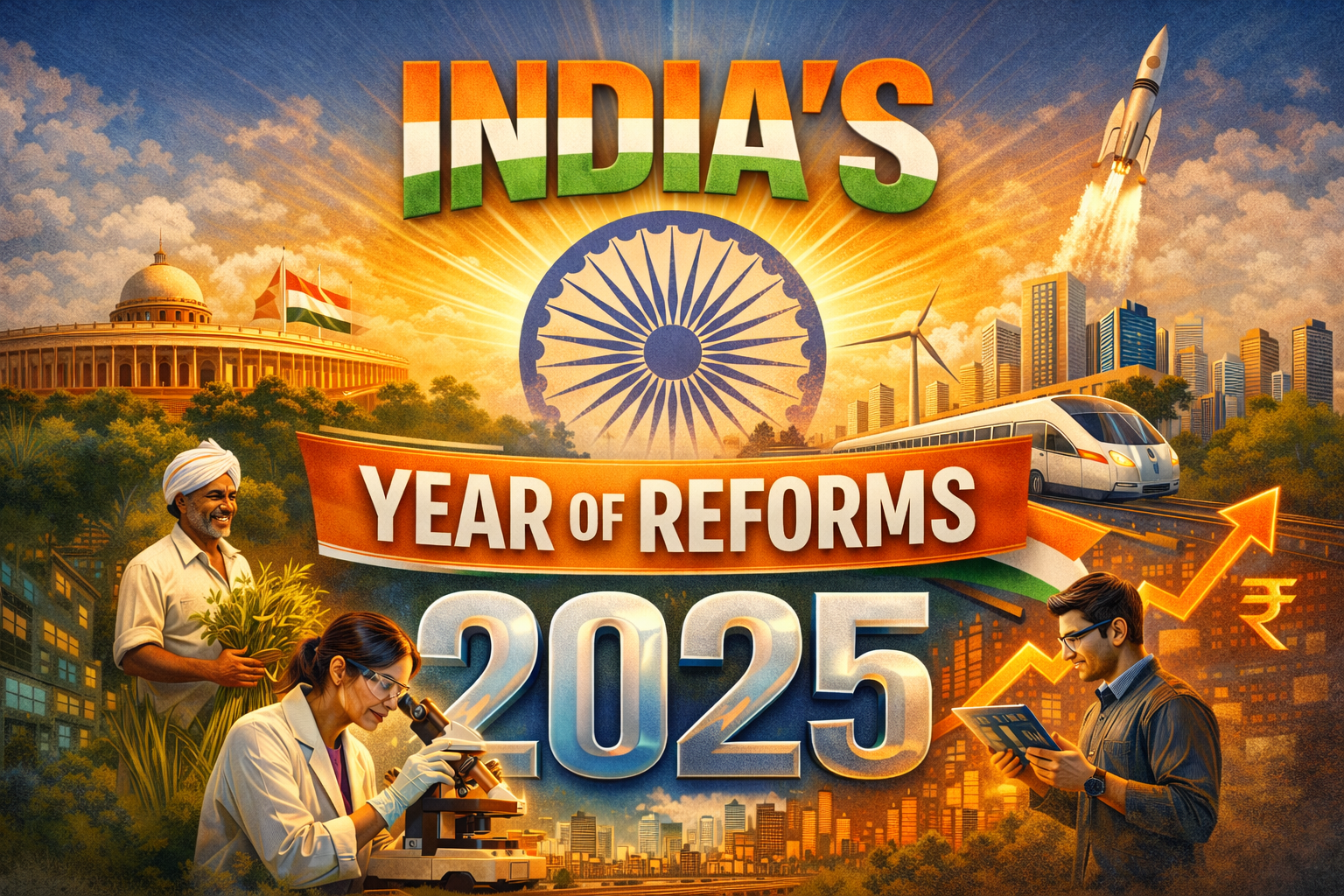
    This article has been published with:What made 2025 different was not one dramatic announcement, but the way a series of interconnected reforms reshaped everyday economic life. Taxation, labour, energy, investment, and digital governance were not treated as isolated silos but as part of one system that ultimately affected how Indians earn, save, spend, work and power their homes.

    What made 2025 different was not one dramatic announcement, but the way a series of interconnected reforms reshaped everyday economic life. Taxation, labour, energy, investment, and digital governance were not treated as isolated silos but as part of one system that ultimately affected how Indians earn, save, spend, work and power their homes.

    The most visible impact has been felt by the middle class.

    When Finance Minister Nirmala Sitharaman told a public gathering that the government would press ahead with deeper reforms, including a full overhaul of the customs duty structure, she wasn’t announcing just another policy tweak. She was signalling something more fundamental — that India’s reform strategy had moved from stealth to conviction.

    Prime Minister Modi described 2025 as a ‘defining phase’ in India’s reform journey and urged investors to ‘keep trusting India and investing in our people.’ The phrase matters. This was not the language of crisis management or emergency repair. It was the language of long-term restructuring of a government increasingly willing to own its reform agenda openly rather than disguise it as technical housekeeping.

    The new income tax framework delivered tangible relief, with salaried individuals effectively seeing breathing room of up to ₹12.75 lakh in annual income through exemptions and slabs. This was not symbolic; it showed up directly on salary slips, in household budgets, and in consumption patterns. More disposable income meant better household savings, stronger demand for goods and services, and rising confidence.

    In economic terms, this was growth driven by confidence, not compulsion. The middle class was no longer treated merely as a tax base but repositioned as the engine of demand.

    GST 2.0 continued this simplification logic. Rationalised slabs and clearer structures reduced disputes, increased predictability, and made consumer goods more affordable. The shift was from complexity to clarity and from opacity to trust.

    Since 2014, around 25 crore Indians have moved out of poverty, forming what policymakers now call the “new middle class.” 2025 arguably marked the moment when policy finally began speaking directly to them.

    For decades, labour reform in India was the political equivalent of a live wire — everyone agreed it needed fixing, but no one wanted to touch it. Successive governments avoided it because the costs were immediate, visible and politically painful, while the benefits were long-term. That political logic quietly changed this year.

    Labour reform is where the government crossed its political Rubicon. Twenty-nine outdated labour laws were replaced with simplified codes. Gig and platform workers were formally recognised. Employers were offered a “one nation, one compliance” framework.

    This wasn’t merely about making life easier for businesses. It sent a signal that India wants growth, but not jobless growth.

    Manufacturing responded. Quarter after quarter, it grew steadily. Capacity utilisation rose. Logistics improved. Policy stability reduced risk. India began looking more like a manufacturing base, and the credit goes to structural conditions finally aligning.

    Perhaps the most underrated reform of 2025 was the recent nuclear energy liberalisation. The opening up of atomic energy, including through the SHANTI Bill, was not cosmetic. It was about future-proofing India’s energy security. India cannot industrialise, urbanise, and digitise while burning coal indefinitely. Clean, stable base-load power is not a climate luxury; it is an economic necessity.

    This reform recognised that energy security is national security.

    Beneath the headline reforms sits an equally important transformation — India’s digital public infrastructure. Jan Dhan, Aadhaar, and DBT linkages have quietly rewired the state’s delivery capacity. Welfare now flows directly. Leakages have reduced. Administrative friction has fallen.

    This is not ideological reform; it is an operational one, and arguably more powerful than any speech.

    For all its achievements, 2025 still cannot be considered a complete miracle year, as challenges still persist.

    The manufacturing sector has not translated into a larger share of overall GDP. Urban air quality remains dire. Smart cities still don’t feel very smart. Private  investment remains cautious. Real wages have not quite surged. Employment growth has lagged behind output growth.

    Most importantly, the government continues to avoid the most politically explosive reforms, such as land acquisition and agriculture. The farm laws collapse remains a reminder that structural reform still collides with social reality. Conviction exists, but it is selective.

    Now, the governing mantra has been pragmatic: deliver public goods, incentivise participation, reduce political friction, invite private players, and avoid direct confrontation. It has produced stability and steady growth, but perhaps at the cost of deeper transformation.

    So, has India pivoted from stealth to conviction? Yes, but within boundaries.

    The state now openly owns its reform agenda. It is less defensive about being pro-business. It is more confident about structural change. It is more willing to talk about productivity. However, it remains cautious about reforms that provoke social rupture.

    This is not necessarily a flaw. It may be India’s version of reform realism.

    Now the real question is whether India is ready to extend that conviction to the reforms it still fears, and whether political courage can eventually match economic ambition. That will decide whether this was a chapter — or the beginning of a longer story.
  • Iran’s reckoning, world’s calculations

    Iran’s reckoning, world’s calculations

    This article has been published with: Iran’s reckoning, world’s calculations

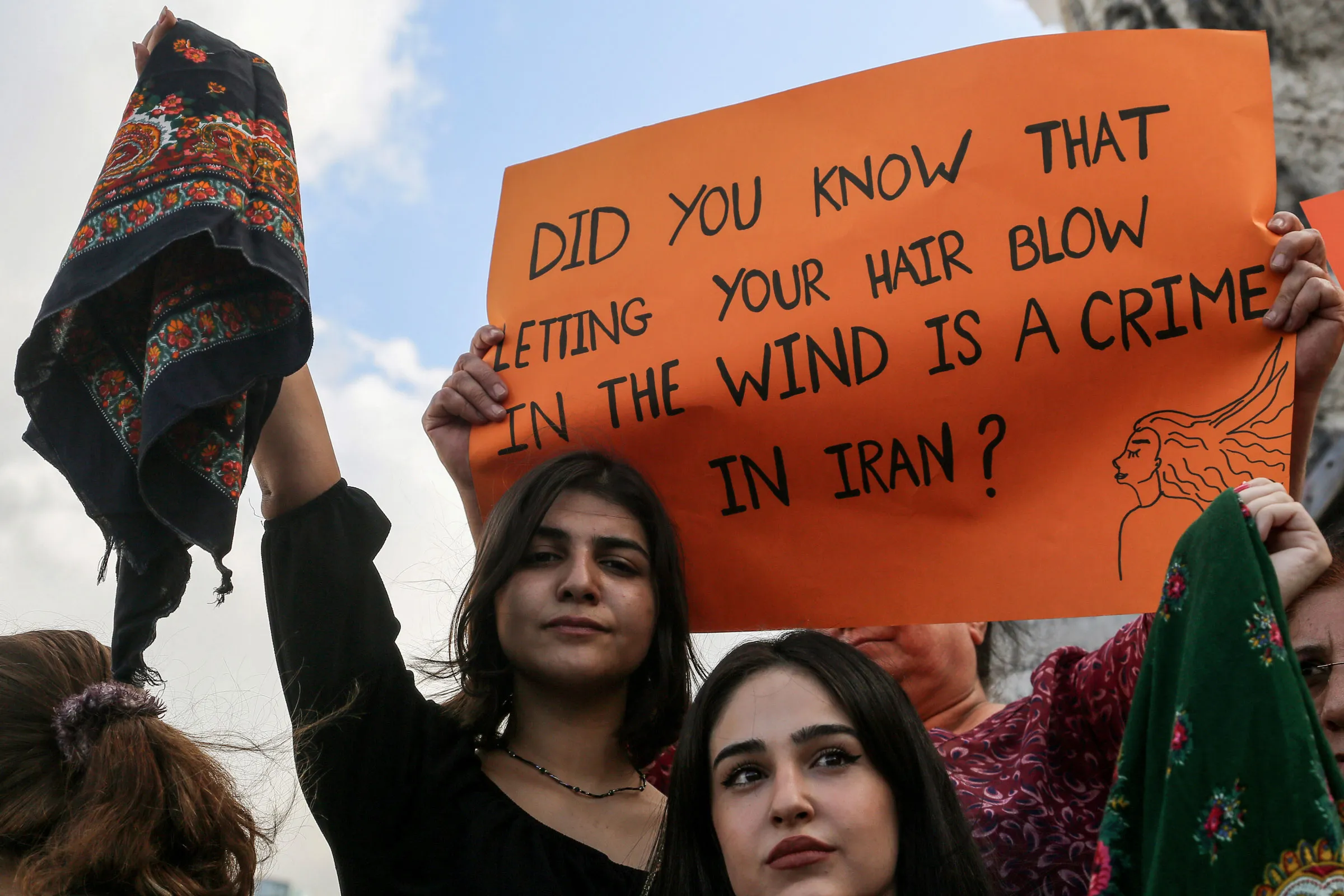
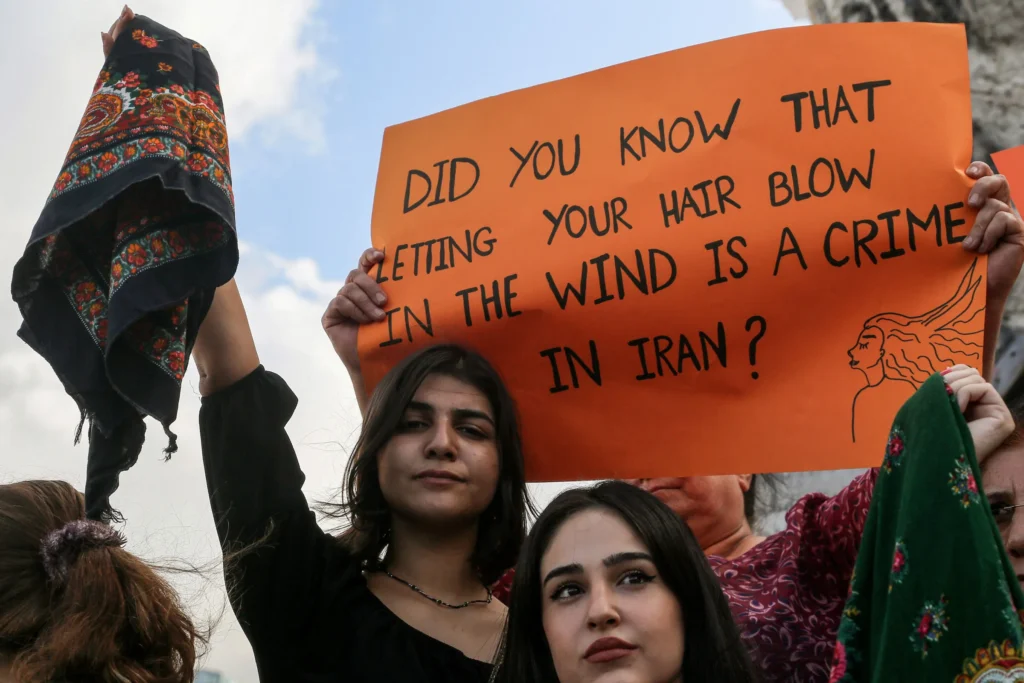
    Iran is in the middle of the most serious political unrest it has seen since 1979, and it is increasingly hard to pretend that this is just another wave of protest that the system can absorb. Across Tehran, Shiraz and dozens of other cities, crowds that once protested economics are now openly challenging the Supreme leader and the ideological foundations of the theocratic state.

    The Iranian government’s response has been brutal. Mass arrests, live ammunition, nationwide internet shutdowns and reports of death sentences are part of a crackdown that human rights groups say has killed thousands and detained tens of thousands more.

    It is repression that only highlights a deeper fracture, between a sovereign that fears dissent and a society that feels unheard.

    But Iran’s crisis is no longer contained within its borders. The world is watching and calculating.

    The United States and Israel are watching Iran’s instability as a strategic opening. President Donald Trump’s talk of ‘regime change’ and warnings of military intervention may play well domestically, but they are reckless in this context. They risk turning a domestic political reckoning into an international confrontation and handing Iranian hardliners the narrative they depend on: the nation is under siege and dissent equals betrayal.

    This does not protect protesters, it exposes them.

    Trump slapping a 25 per cent tariff on countries trading with Iran signals pressure not just on Tehran but on the global partners that sustain its economy. That move drew swift criticism from China, which threatened retaliatory measures, picturing how Iran’s fate is entangled with broader Sino-American rivalry.

    Within the US itself, calls for harsher action are emerging from influential quarters. Some US lawmakers have urged expansive military and cyber responses, framing Tehran’s crackdown as a threat to world order.

    Israeli officials have spoken in support of the protests, calling them a fight for freedom. But their interest is also strategic. For Israel, unrest in Iran weakens a major regional rival. Comments from Israeli intelligence officials about activity inside Iran suggest the protests are being seen as an opportunity, not just a moral cause.

    But Iran’s warnings to the US and Israel reflect this fear. Tehran knows that foreign involvement would change the nature of the crisis. A domestic protest movement would quickly turn into an international conflict. That shift would serve outside powers far more than it would help the people protesting on the streets.

    Other global players are no less invested, even if they are quieter.

    Both Russia and China have little interest in regime change and particularly in stability that weakens Western influence. For them, Iran is a strategic partner in energy, arms and diplomacy and also a useful counterweight to US power. They are likely to back the regime diplomatically, even as it bleeds legitimacy at home.

    Europe has denounced Iran’s violent crackdown. The United Kingdom has pledged expanded sanctions on Tehran’s financial, energy and transport sectors in response to killings and arrests. Yet, for European leaders, disruption in Iran could exacerbate migration pressures, threaten energy supply dynamics and deepen geopolitical rivalry with Russia.

    India’s stance has been quite cautious. The Ministry of External Affairs has urged Indian nationals to avoid travel to Iran and has informed that New Delhi is monitoring developments closely, but it has stopped short of overt criticism or strong support. That reflects India’s position as an energy partner and user of Iranian trade routes, particularly through Chabahar port.

    Delhi’s priority is stability that secures energy and connectivity, not instability that threatens supply chains or regional security.

    Iran’s unrest is not happening in a vacuum. Every major external actor is making moves shaped by strategic interests, not solidarity. What emerges is a familiar pattern. Iran’s internal crisis is being absorbed into the calculations of others.

    Even the memory of “Woman, Life, Freedom” protests remains fresh. That movement exposed both the depth of public anger and the limits of repression. The current unrest builds on that unfinished crisis. It is broader, more openly political and less willing to accept symbolic concessions.

    Iran now faces choices with lasting consequences. A violent crackdown may impose surface order but will deepen isolation and resentment. A collapse of authority risks instability and fragmentation. Foreign intervention would almost certainly escalate the crisis beyond Iran’s borders.

    None of these outcomes are desirable. All of them are plausible. What is no longer plausible is a return to the old normal.

    A society that no longer believes it is represented cannot be governed indefinitely through fear. A state that no longer listens eventually loses control over the story it tells about itself.

    Iran’s future is being shaped in this moment, not only by what happens on its streets, but by how its rulers respond and how external powers choose to use this moment, especially Trump.

  • Will Ladakh demands finally be met?

    Will Ladakh demands finally be met?

    This article has been published with: Will Ladakh’s demands finally be met?

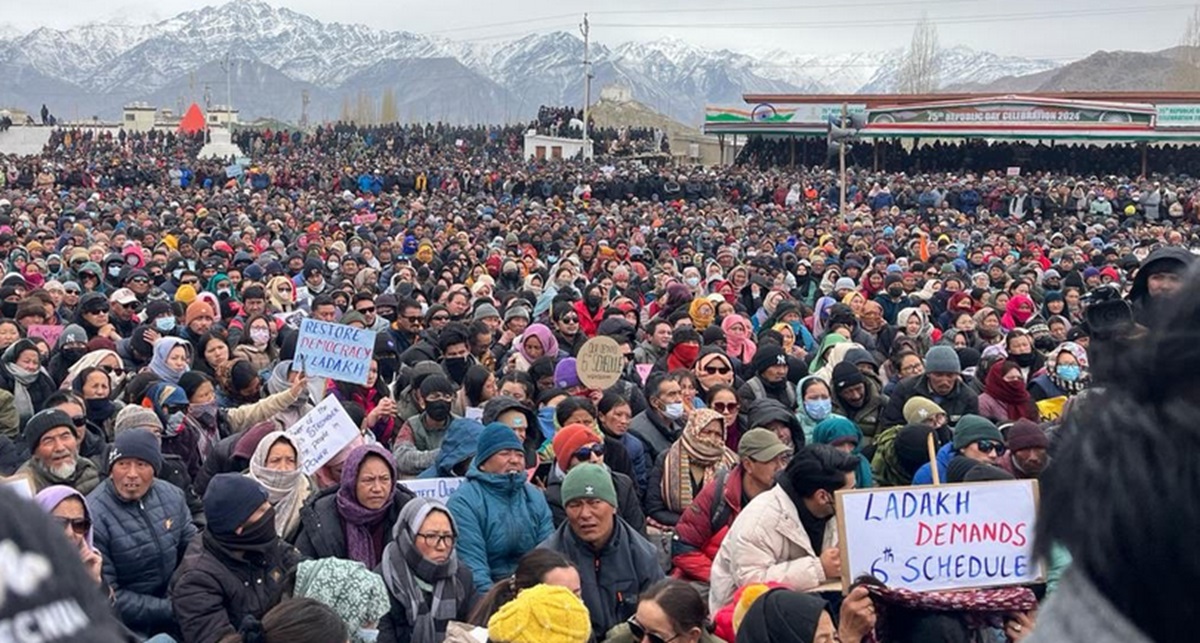
    Ladakh is simmering, and the latest violence has brought long-standing frustrations to a head. Four people have been killed, at least 50 injured and a community once known for it’s peaceful strikes now find itself in the eye of a storm.

    Well, the spark is clear: demands for statehood and the extension of Sixth Schedule protections, issues that go beyond politics and strike at the heart of identity, autonomy, and democracy in this fragile Himalayan region.

    Climate activist Sonam Wangchuck, who had been on a hunger strike for 35 days in solidarity with Ladakhi’s demands, called off his fast amid escalating tensions. The unrest erupted just days before talks were scheduled between the Centre and the Leh Apex Body on October 6, after a four-month haitus, with reports suggesting that Wangchuck was deliberately sidelined, seen as a stumbling block by the authorities. One might wonder, is there a better way to bridge communication gaps in such sensitive negotiations?

    Frustration runs deep. Locals feel promises made in previous elections have gathered dust, and with national elections looming, patience has worn thin.

    The roots of Ladakh’s unrest lie in a democratic deficit. When Article 370 was abrogated in 2019, Jammu and Kashmir retained a legislative assembly but Ladakh was left without any local governing body. Control over land and other powers was stripped away, leaving residents voiceless  in matters that affect their daily lives. This is not mere political tussle; it is a fight for recognition, representation and survival.

    The demands being voiced are measured, residents seek recognition by including the territory under Sixth Schedule that confers judicial, legislative and executive powers similar to those enjoyed in the north-eastern regions of Mizoram, Meghalaya, Tripura and Assam. Additional requests include job reservations for locals and an increase to two parliamentary seats to ensure regional perspectives are represented at the national level.

    These are not demands for special treatment, but a call for balanced governance and equitable representation. But at the same time, it begs the question, how can such aspirations be harmonised with wiser administrative and strategic considerations.

    Well, the government has taken steps in response. Measures include 85% job reservations for local, one-third of seats in hill development councils reserved for women, and the formation of a high-powered committee under the Ministry of Home Affairs to engage with leaders from both Leh and Kargil. Yet, challenges remain with the path forward requiring careful navigation.

    However, several factors make resolution a nuanced endeavour. Constitutional and legal complexities exist, given the distinct religious, cultural and economic interests of Leh and Kargil. Implementation gaps and limited clarity in administrative mechanisms can slow outcomes, and the strategic location of Ladakh, bordering China and Pakistan adds layers of national security considerations as well.

    Economic implications too, are tangible: tourism, a key source of revenue, could face disruption, with effects on regional and national GDP. Beyond economics, the question of cultural preservation remains central as well: how can infrastructure and development be planned so that heritage, language and traditions of the region are respected.

    Yet, what stands out in this situation is the continued commitment to dialogue and peaceful engagement. Patience has been a recurring theme, even in the face of prolonged uncertainty. And with any situation where expectations meet reality, tensions inevitably rise. This makes structured engagement, thoughtful negotiation and clarity of intent more important than ever.

    The situation calls for measured steps, informed dialogue, and a shared vision for the region’s development. These considerations strike at the core of democratic practice in regions with unique histories and geographies.

    But the answer to whether Ladakh’s demands will finally be met remains uncertain.

    The coming weeks will be crucial in determining if trust gets rebuilt. The real challenge lies in proving whether considered steps can strengthen both local representation and national cohesion, while upholding what India is built upon, “unity in diversity.” Until then, it remains a story one of simmering protests, promises and a long watchful wait of a region yearning for clarity.

  • London’s identity in question, are Indians at risk?                                                                      

    London’s identity in question, are Indians at risk?                                                                      

    This article has been published with: London’s identity in question, are Indians at risk?

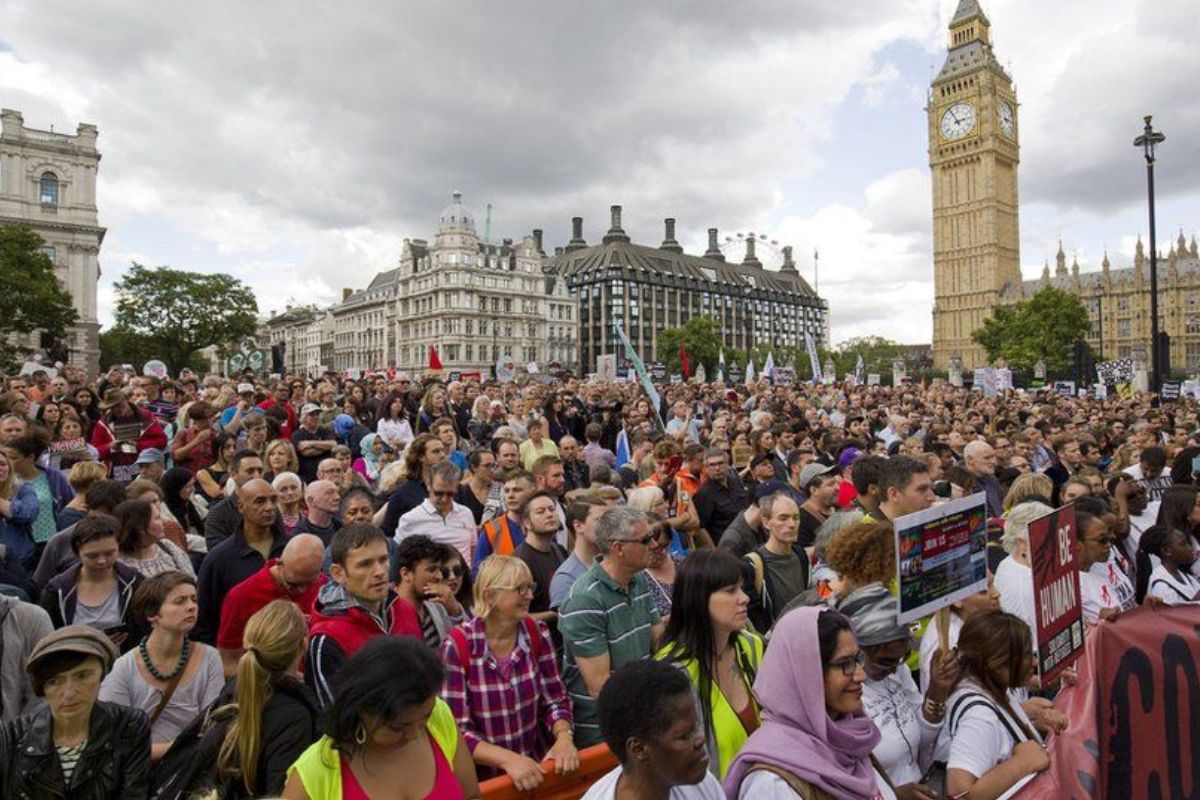
    On a September weekend, central London became a stage of tense spectacle. A tide of Union Jacks and St George’s crosses swept through the streets, led by far-right activist Tommy Robinson under the banner of “Unite the Kingdom.” More than 1,50,000 people reportedly participating, this was one of Britain’s largest anti-immigration demonstrations in recent years.

    What transpired was more than a protest. It was a reminder that immigration has become the flashpoint of our times, capable of mobilizing crowds, unsettling governments and shaping the future of millions including the large Indian diaspora. The question many are quietly asking now is: Should Indians be worried?

    Indians are the largest non-UK ethnic group in London, numbering over 6,50,000 in Greater London. British Indians own over 65,000 businesses in the UK, contributing to roughly £60 billion annually to tits economy. Almost 1 in 10 NHS doctors in the UK is of Indian origin. Whereas, Indian students make up one of the largest international student groups in the UK, with more than 1,40,000 Indian students enrolled in British universities in 2023-24, bringing billions in tuition and local spending.

    The rally was framed as a show of patriotism, but immigration was the central grievance. Placards blared “Send them home” and “Stop the boats.” The rhetoric was unmistakably hostile towards migrants, particularly Muslims, though the undertone extended to anyone perceived as an “outsider.” Violence erupted when protestors clashed with police, injuring 26 officers.

    London’s Muslim population is around 15%, heavily concentrated in boroughs like Newham, Tower Hamlets and Brent. Far-right activists portray this concentration as a “threat to British identity.”

    Debates around halal food in schools, mosque construction or visible symbols like the hijab are exploited by right-wing groups as evidence of cultural erosion. Wars in Afghanistan, Syria and more recently the Israel-Gaza conflict have fed into anti-Muslim sentiment with Muslims abroad often conflated with Muslims at home.

    Prime Minister Keir Starmer condemned the march as divisive, insisting Britain “will not surrender its flag to those who use it as a symbol of fear.” But the event’s scale, intensity and rapid spread across social media suggested something deeper: anti-immigration sentiment is no longer fringe. It is mainstreaming.

    Economic anxieties, housing shortages and stretched public services are easy scapegoats. Security concerns, often fuelled by sensationalist reporting, add another layer. But perhaps the most significant driver is political entrepreneurship, activists like Robinson know how to weaponise frustration into mobilisation. Online misinformation then turbocharges the anger, transforming digital discontent into street protests.

    London’s rally is part of a global pattern. Just last month, tens of thousands marched in Australia under the banner of “March for Australia,” while protests over asylum housing have surged in the United States. Across Europe, demonstration in Berlin, Warsaw, and Dublin echo similar themes. Migration politics is now transnational, and Britain’s far-right plugged into these global currents.

    For Indians, the implications are complicated. On the one hand, the Indian diaspora in the UK is one of the country’s most successful immigrant communities being economically stable, politically active and culturally visible. But success does not immunise against xenophobia.

    History has shown how quickly minorities can become collateral damage when anti-immigration rhetoric boils over.

    Indians may not be specific targets of Robinson’s campaign, but visibility itself is enough. Past attacks on Indian students in Australia and racist assaults on South Asian workers in the UK illustrates how quickly resentment can translate into violence.

    Beyond physical safety, social climate matters as well. Discrimination in jobs, housing, or even public spaces can intensify during such surges. For young students and workers without strong community support, this can be isolating.

    India has often had to step in when its nationals abroad face hostility. Advisories, consular interventions and public outcry in India can strain ties with the host nations.

    It is not alarmist to say that Indians should be cautious. But caution must not turn into a constant fear. After all, Britain is also a place where Indian-origin leaders hold office, where Bollywood films run in packed theatres and where Indian businesses thrive. Even its official national dish, chicken tikka masala, has Indian roots, a reminder of how deeply the community has shaped British life.

    The chants of “we want our country back” are not just about border control, they reflect an identity crisis in Western democracies struggling to balance globalisation with local anxieties. For Britain, this identity debate is especially charged post-Brexit. The promise of taking back control of borders was a defining feature of the Leave campaign, yet migration numbers remain high due to labour shortages.

    Far-right figures are now exploiting this perceived “failure” to whip up anger.

    Well, Indian in the UK and elsewhere should respond with awareness rather than fear by staying alert to their surroundings, keeping close to community networks and recognising when immigration becomes a political flashpoint. For students and young professionals, this means being prepared for shifts in visa rules or public mood that can arise during election seasons.

    At the same time, India’s diplomatic role will grow in importance. Protecting its citizens abroad must remain central to its foreign policy.

    Anti-immigration marches may chant “send them home,” but the truth is Indians have already made Britain their home. From students to entrepreneurs, they contribute to the economy, culture and public life. As long as they remain as asset, not a threat, to the society they live in they should not be worried, though they must remain watchful of shifting political winds.

  • Nepal’s double uprising: Revolt and exodus

    Nepal’s double uprising: Revolt and exodus

    This article has been published with Nepal’s double uprising: Revolt and exodus

    Nepal is today at an inflection point. The Himalayan republic, long accustomed to political instability has rarely faced a moment this stark: the biggest youth revolt in its history colliding with the largest exodus of its people abroad. The first is noisy, combustible and impossible to ignore. The second is quieter, but no less devastating. Both are rebellions, different in form but identical in essence, against a state that has failed to deliver.

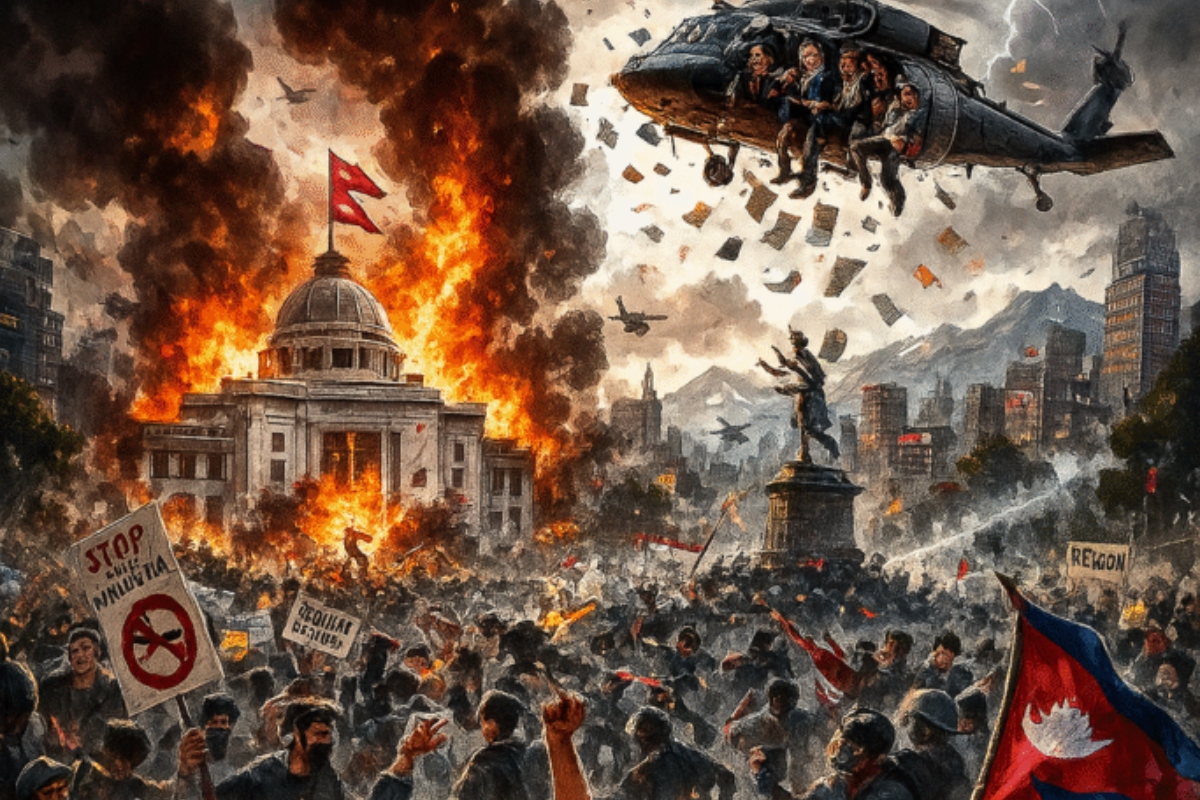
    The eruption of protests last month, triggered by a government ban on 26 social media platforms, was unlike anything Nepal has seen in decades. What began as an outrage over digital censorship spiralled into a generational uprising. Demonstrations spread across all 77 district capitals, claiming at least 19 lives in Kathmandu alone.

    Parliament and power centres burned, five former Prime Minister’s residences were vandalised, and Rajyalaxmi Chitrakar, wife of former PM Jhala Nath Khanal, died from severe burns after her house was torched. While Finance Minister Dhakal was stripped and paraded in public; Foreign Minister Deuba sustained injuries.

    This was not the palace intrigue of the past, nor the elite factional battles Nepalis have grown weary of. This was something more, a mass demand for accountable governance, credible constitutional reform and institutions that inspire trust. For Nepal’s Gen Z, the ban on TikTok or WhatsApp was merely the spark. The fire has been smouldering for years, fuelled by corruption, inequality and the absence of dignified work opportunities.

    A day after police opened fire on young demonstrators, Kathmandu was engulfed in flames. Prime Minister KP Sharma Oli resigned, and President Ram Chandra Paudel went into hiding under army protection.

    The ban on social media was hastily lifted, but the damage was already done. The youth of Nepal had issued their verdict: The system is broken and patience has run out.

    Yet, if the protest is a loud rebellion, migration is the quite one, perhaps even more telling. More than 4,00,000 Nepalis leave each year, an average of 10,000 departures a day. They hollow out the very demographic that should be building Nepal’s future, sustaining their families and the economy through remittances while abandoning the political order they no longer believe in.

    The absent, in effect, are financing a system they refuge to inhabit. World Bank report underlines this paradox—82 per cent of Nepal’s workforce remains trapped in informal employment, far above global and regional averages. For many, leaving is less of a choice than an act of survival.

    Nepal’s politics have long been a theatre of instability. Fourteen governments since 2008; none completing a full term. The Maoist insurgency of 1996 claimed 17,000 lives in its attempt to overthrow the monarchy. The 2008 abolition of the royal order was supposed to herald a people’s republic. The 2015 constitution was hailed as a landmark. And yet, KP Sharma Oli, a nationalist, populist, survivor, cycled in and out of office four times between 2015 and 2024 only to fall once again in 2025.

    The pattern is depressingly familiar, tactical manoeuvring among three dominant parties, the Nepali Congress, CPN-UML and the Maoist Centre at the expense of structural reform.

    Pushpa Kamal Dahal (Prachanda) continues his balancing act. Sher Bahadur Deuba struggles for relevance. Meanwhile, power circulates among the same aging elites, their children flaunting privilege on social media while ordinary citizens struggle with unemployment, rising costs, and climate vulnerability. The gap between rulers and ruled has become unbridgeable.

    For Gen Z, who have grown up on promises of democracy but experiences little of its substance, this political theatre has lost all legitimacy. “Nepobabies” trend online as shorthand for the dynastic impunity of Nepal’s political class. What matters to them is not ideology but the lived reality of jobs, dignity and opportunity, all of which are in short supply.

    This convergence of revolt and exodus is existential. A country that loses its youth either to martyrdom in the streets or to migration risks eroding its national security.

    The government’s use of excessive force did not just provoke fury; it confirmed suspicions that the system is corrupt, stagnant and unwilling to listen. The resignation of Oli only deepens the vacuum, inviting shifting alliances that promise more of the same paralysis.

    And here lies the danger, rebellion without reform hardens despair. If the protests fizzle into yet another cycle of unstable governments, while the exodus continues unabated, Nepal risks hollowing itself out.

    For India, Nepal’s turbulence is not a distant spectacle but a pressing concern. The movement of people and ideas across the border are too close to break. Instability in Nepal inevitably spills into Bihar, Uttar Pradesh, Sikkim and Uttarakhand. A large-scale exodus would intensify pressure that India is already struggling with, such as employment shortages, social friction and migration management.

    The fall of Oli bears uncomfortable parallels with Bangladesh last year, where the collapse of the Sheikh Hasina government left spaces for anti-India narratives to flourish. If New Delhi mishandles its engagement with Kathmandu, it risks a similar backlash. The stakes are stark, a neighbour either renewed or unravelled.

    India cannot dictate Nepal’s fate. But it can choose to engage wisely. That means listening not just to Kathmandu’s elites but to Nepal’s youth, who are demanding accountability, opportunity and dignity. It means demonstrating through aid, trade and people-to-people ties, that India hears Nepal’s young voices rather than ignoring them. And it means resisting the temptation to back shifting political alliances without regard for their democratic legitimacy.

    For Nepal, the way forward requires more than cosmetic changes. The constitution of 2015 must be reinvigorated with credible reforms that strengthen institutions and protect rights. Parties must rise above tactical rivalry and commit to structural transformation such as education reform, job creation, curbing corruption and making government transparent.

    For India, the imperative is to support Nepal’s democratic renewal, not its decay. This is not merely about geopolitics or China’s growing footprint in South Asia. It is about the recognition that when a Neighbour’s youth cry out in the streets or by leaving, it is a cry that reverberates across borders.

    Nepal today stands at a crossroads. If its leaders keep fighting among themselves while the youth either protest on the streets or leave the country, Nepal risks becoming a republic without a future. But if both the loud revolt and the quiet rebellion are taken seriously, the country still has a chance to rebuild itself.

    For India, the choice is just as clear, it can either watch a neighbour fall apart or engage in a way that gives Nepal’s youth a hope.

    The stakes are bigger than Nepal alone. Its repercussions will affect the neighbours too and they must act very carefully.