Blog

  • India and UK turns a new page

    India and UK turns a new page

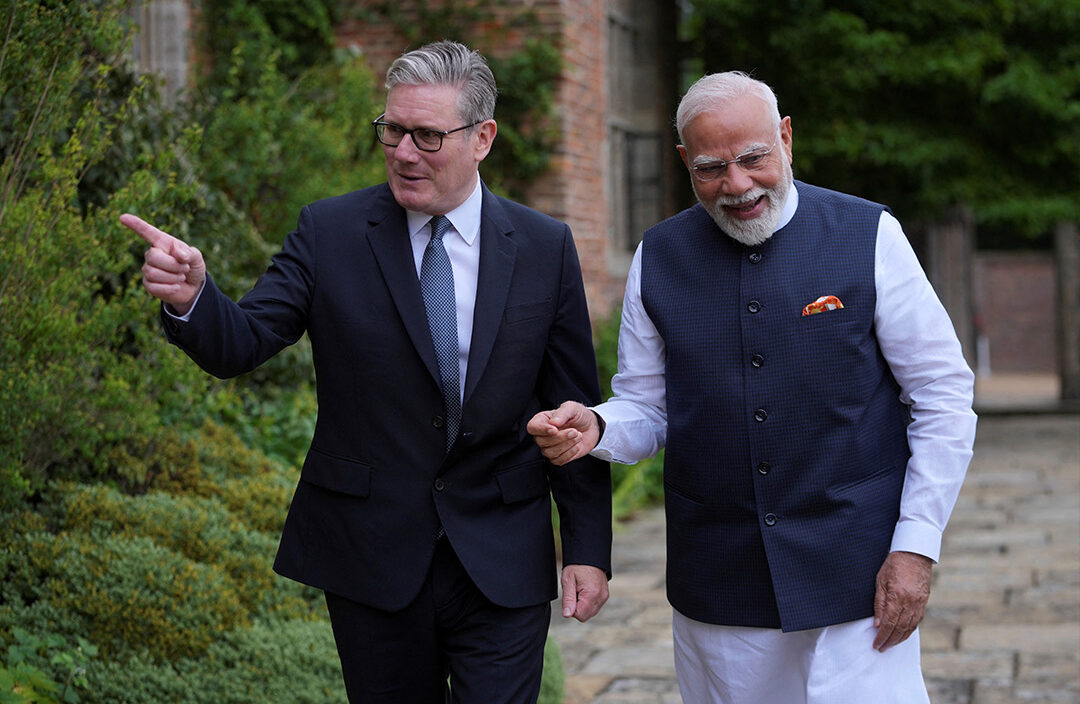
    After years of deadlocked talks under three Conservative Prime Ministers, India chose not the familiar, but the functional. It was not based on shared heritage but shared goals. And so, it was under Keir Starmer and not Rishi Sunak that India finally signed one of it’s most ambitious Free Trade Agreements.

    Modi’s decision to bet on a recalibrated Labour speaks volumes. The question isn’t why India didn’t sign this deal earlier. The question is: why now, and why Starmer?

    Despite a decade-long Conservative rule, the FTA had remained elusive. The Boris Johnson government launched the 2030 roadmap in 2021, which promised deeper ties across trade, defence and innovation. But symbolic gestures often outpaced substance. The Conservative era stretching from Johnson to Liz Truss to Rishi Sunak, often celebrated It’s ‘special relationship’ with India but while language was warm, the outcomes remained lukewarm.

    Negotiations on the FTA began with high ambition, but soon encountered roadblocks. Key issues such as the movement of Indian professionals, mutual market access and labour mobility remained unresolved. The UK’s domestic debates on immigration, especially post Brexit created hesitations that made meaningful compromise politically complex.

    While Sunak’s Indian heritage was treated as an implicit bridge, policy progress remained cautious. The FTA talks continued, but no major agreements were concluded during his tenure. Despite his visit to India during the 2023 G20 Summit and a public willingness to deepen ties, a reciprocal state visit from the Indian side never really took place.

    Labour’s return to power in 2024 marked a turning point in how India perceived UK’s political climate. From 2021 onwards, Starmer’s leadership emphasised a more balanced and bilateral approach. He distanced Labour from diaspora-driven resolutions and refrained from commenting on India’s internal matters. A gesture New Delhi has welcomed. By the time Labour’s election manifesto was released, there was a clear shift in tone: no mention of contentious issues, and a strong focus on trade, investment and cooperation.

    This course correction wasn’t seen as diplomatic hygiene, but it truly changed the atmosphere. It allowed both sides to return to the table with clarity and mutual trust. Long-stuck issues like skilled migration, tech exchange, education linkages and defence co-production finally found room to breathe. The tone shifted from hesitation to possibility.

    This agreement also comes at a time when India is actively rebalancing it’s external partnerships. With Washington re-entering a cycle of unpredictability, India isn’t putting all it’s chips on old alliances. Instead, it’s expanding its bandwidth by seeking stable, policy-driven partners who offer long-term value without theatrics.

    India signed high-impact FTA’s with the UAE and Australia to clinching an economic agreement with the European Free Trade Association(EFTA). Each of these deals reflect not just commercial intent, but a future-facing alignment.

    The UK now enters this circle not as a sentimental choice, but as a re-evaluated partner that fits India’s calibrated worldview. At the same time, Modi’s parallel diplomatic choreography says even more. His visit to the Maldives reinforces India’s renewed focus on neighbourhood diplomacy, while his recent engagement with China- the first high-level visit since the Galwan clash signals a cautious but important attempt to manage regional tensions.

    Unlike the earlier chapters of India-UK engagement, which was often defined by grand cultural displays, diaspora pageantry, and speeches laced with heritage, this visit stripped away the sentimentality. What emerged was a relationship finally ready to stand on it’s own terms.

    Both sides seemed to quietly step past the weight of history. For decades, the relationship had often swung between romanticising the past and hesitating because of it, usually caught between post-colonial discomfort and nostalgia-driven diplomacy. However this time, there was not attempt to overplay identity, ancestry or symbolism.

    This FTA wasn’t born in a moment of goodwill, it came from years of careful watching, waiting and preparing for a window that felt right. India didn’t rush, it waited for a government that was aligned institutionally.

    Modi’s visit under Starmer is more than a mere handshake, it’s a reset. It reflected a larger truth that India and UK have finally outgrown their need to define the relationship by the past. The colonial chapter will always exist, but it no longer needs to dominate the page.

  • Skyfall: Turbulent skies in 2025

    Skyfall: Turbulent skies in 2025

    The year 2025 has shaken the aviation industry out of its illusion of invincibility. Despite decades of advancement, and rigorous safety protocols that flying remains the safest mode of travel, the skies have turned turbulent in more ways than one.

    The most devastating blow came on January 29, 2025 when American Airlines Flight 5342, a Bombardier CRJ700, collided mid-air with a US Army Sikorsky UH-6 Black Hawk helicopter near Ronald Reagan Washington National Airport. The crash claimed 67 lives reminding us that even in the most advanced aviation systems in the world, something can go terribly wrong. “This was not just a tragic mistake; it was a wake-up call,” said Jennifer Homendy, Chair of the US National Transportation Safety Board (NTSB), addressing the press after the preliminary findings were released.

    What followed through the rest of 2025 was not a scattered series of unrelated crashes, but a global pattern of technical failures, emergency landings, fires, near-misses and fatal accidents that shook public confidence and raised urgent questions.

    India’s aviation sector, which has long been praised for rapid growth, is facing a storm of technical snags, safety violations and operational failures. The most fatal moment came with the ill-fated Air India crash earlier this year in Ahmedabad. The Aircraft Accident Investigation Bureau (AAIB) report revealed a disturbing detail; just seconds after take-off, fuel to both engines was found in CUTOFF mode. The cockpit voice recording reportedly captured a tense exchange where one pilot asked, “Why did you cut off?” referring to the fuel supply to both engines, only to be met with confusion from the co-pilot.

    Now, aviation experts argue that such a fuel cutoff happens by accident. If that’s true, the incident hints at either a chilling human error or an even deeper systemic failure. Either way, this tragedy feels less like an anomaly and more like a red flag waving at a much larger problem. The urgency with which Directorate General of Civil Aviation (DGCA) is now reviewing safety protocols suggests that even regulators know something has been slipping through the cracks.

    Adding to this alarm, July 22 brought yet another unsettling event. Air India Flight AI 315, arriving from Hong Kong, caught fire after landing in Delhi. Thankfully, no injuries were reported, but the visuals of black smoke surfacing online were enough to rattle public confidence further. At this point, it feels less like isolated misfortunes and more like a pattern of operational neglect.

    An Air India spokesperson tried to downplay the incident, attributing the fire to “overheating of electrical components” and insisting that passenger safety was never at risk. But for the average flyer, this assurance rings hollow. Because even if lives weren’t lost, trust surely was.

    The problems don’t end here. Over the last few weeks alone, IndiGo, India’s largest airline, has reported multiple in-flight emergencies and technical glitches to viral videos showing malfunctioning ACs on packed flights. An IndiGo flight from Goa to Indore reported a snag right before landing. Another one bound for Imphal had to return to Delhi mid-air. A third flight from Chandigarh to Lucknow was cancelled after pilots detected faults during pre-flight checks. The list keeps growing. Passengers have voiced fear and frustration, with one traveller tweeting, “Flying used to be a routine, now it feels like a gamble.”

    The government can’t entirely downplay the growing concerns. In a written reply to the Parliament, the Civil Aviation Ministry admitted that Air India alone had received nine safety violation notices in recent months. Yet, the official line remains that there’s “no adverse trend” in overall safety reports. That reassurance feels increasingly hollow as fresh incidents continue to surface almost weekly.

    As the monsoon session of the Parliament begins, the timing couldn’t be more telling. On the opening day of the session, Civil Aviation Minister Ram Mohan Naidu assured the house that the probe into the crash remains “rule-based” and “unbiased.” He urged the Parliament to “respect the process” and trust the Aircraft Accident Investigation Bureau (AAIB), which successfully decoded black boxes.

    However, in a climate of rising fear, growing opacity and repeated technical failures, the public needs more than just procedural reassurances. What this moment truly demands is not just patience, but radical transparency, accountability and visible action.

    One is left wondering, how many more “technical snags” will it take before India’s aviation industry acknowledges that these aren’t mere bumps in the journey, but signs of a deeper credibility crisis that demands urgent attention?

    Well, zooming out there are several disturbing symmetries in other countries as well. Recently, Bangladesh suffered one of its darkest aviation moment, when a fighter jet crashed into a school, killing 27, mostly children. The aircraft was Chinese-made, a model long under scrutiny for mechanical issues. In Philadelphia, a Learjet crash caused a residential explosion, killing seven. While earlier, in South Korea, an Airbus A321 caught fire moments before take-off. In South Sudan as well, a Beechcraft 1900 crash killed 20. These are not isolated events; they are symptoms of a global industry pushed to its limits.

    The aviation crisis of 2025 is not rooted in a single cause, it’s a fallout of a deeply overstretched system struggling with layered, compounding pressures. Technical and mechanical failures, like engines shutdowns, faulty fuel control systems, have become disturbingly frequent. These are often linked to delayed maintenance, shortage of replacement parts and an industry willing to overlook “minor” defects to keep planes flying in the sky.

    Add to this the human element: pilot errors, often caused by crew fatigue, irregular schedules and chronic understaffing of cockpit and ground teams that remain the leading causes of aviation accidents worldwide. Then comes the cyber and systemic threats, from digital outages and GPS spoofing, which were meant to make flying safer, not riskier.

    On top of this, climate change is playing an invisible but deadly role, intensifying turbulence and creating hazardous flying conditions, particularly during take-off and landing. The geopolitical landscape, too, has become a factor, aircrafts flying over conflict zones face not only navigational uncertainty but also sabotage strikes.

    So where does one go from here? These waves of disasters demand something bigger, fixing this isn’t just about tweaking policies or releasing carefully worded investigation reports. Regulators like the ICAO, DGCA and EASA must step beyond audits and enforce real-time accountability, increased investment, publicly accessible safety records and stricter timelines for aircraft maintenance.

    Because at the end of the day, this isn’t just about planes but a common man boarding a flight with the expectation of arriving safely. The stakes are terrifyingly real. We cannot afford another “wake-up call.” This industry must act before confidence falls from 35,000 feet and take lives with it.

    The skies are not just turbulent; they are sending a warning. The only question now is “who’s listening?”

  • A strategic reset between India and China

    A strategic reset between India and China

    This article has been published at: https://newsarenaindia.com/opinion/a-strategic-reset-between-india-and-china/50882

    While decades of mistrust and unresolved disputes remain, the current global posture is shifting fast and not in a direction either side can afford to ignore. 

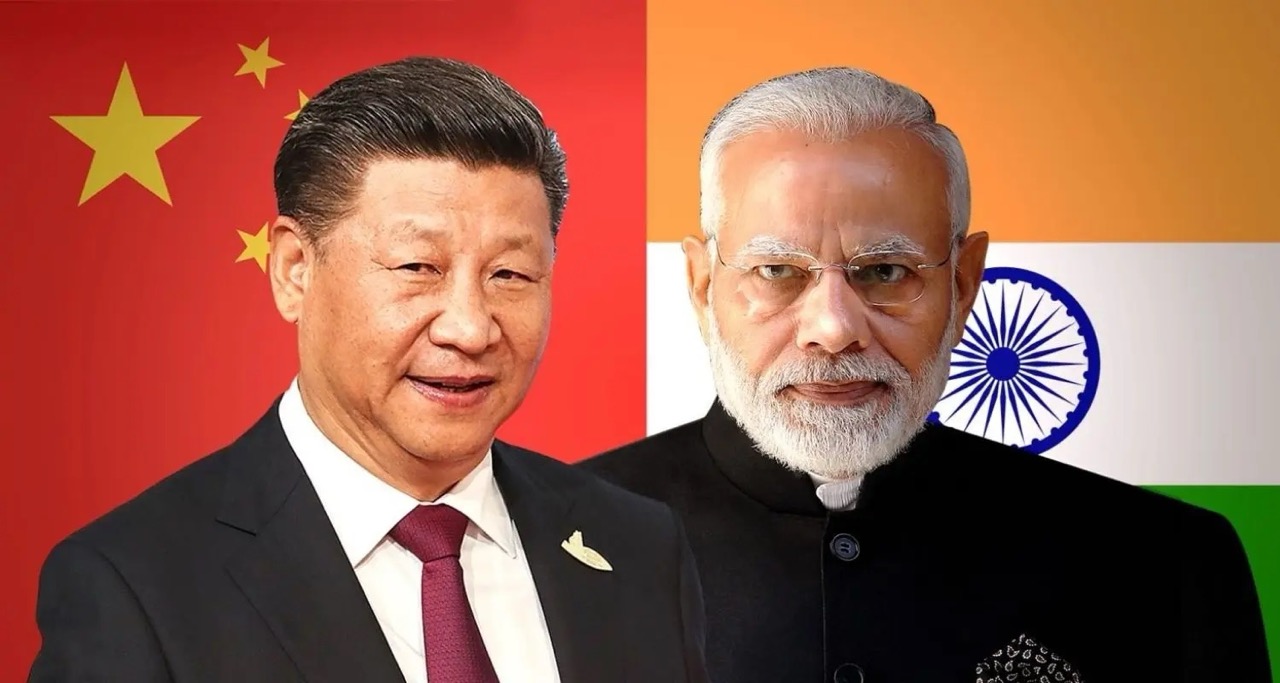
    The relationship between two of Asia’s biggest powers have never been easy, nor it has ever been truly broken. Both India and China have existed in a strange state of limbo. After years of mistrust, border skirmishes and diplomatic cold shoulders, signs of slow but deliberate thaw are emerging.

    With External Affairs Minister S. Jaishankar’s recent visit to Beijing for the Shanghai Cooperation Organisation (SCO) foreign minister’s council meeting, the first such interaction since the Galwan Valley clash in 2020, the diplomatic signals are clear: dialogue is back on the table.

    Add to this, Defence Minister Rajnath Singh’s meeting with his Chinese counterpart in Qingdao where he laid out his four-point proposal to resolve border crisis: disengagement, de-escalation, delimitation and dialogue also highlights India’s intent to lower the temperature.

    The question is whether China is equally committed and whether both nations can move beyond crisis management toward a sustainable, more functional relationship.

    While decades of mistrust and unresolved disputes remain, the current global posture is shifting fast and not in a direction either side can afford to ignore. At the heart of this recalibration is a shared strategic vulnerability: growing pressure from the United States. Washington has recently warned of tariffs and secondary sanctions on countries continuing close economic ties with Russia. This is not a veiled threat, it is a direct signal to nations like India and China, who together now account for more than 80 per cent of the sea-borne crude oil exported by Russia.

    Neither Delhi nor Beijing wants to be seen as isolated from the West, nor do they want to sacrifice their long-standing energy partnerships. If both nations want to preserve their strategic autonomy, they must de-risk confrontation and begin to engage seriously, not just ceremonially.

    On the other hand, the issue of Tibet and Taiwan continues to be an unspoken landmine. The Dalai Lama’s presence in India remains a point of anxiety for Beijing as well. It has repeatedly sought reaffirmation of India’s commitment to the ‘one China policy’.

    The issue also represents a deeper ideological discomfort that colours this relationship – India’s democratic ethos versus China’s authoritarian assertiveness.

    Economically, the relationship looks robust on paper but deeply lop-sided. India’s trade deficit with China is over $99.2 billion, and market access remains a sore point. Restrictions over rare earth magnets for EVs to India, wind turbines, electronics, and high-value fertilisers have raised fresh concerns.

    Despite these issues, in a sign of soft diplomacy, there has been resumption of the Kailash Mansarover Yatra after a five-year suspension, the possibility of direct flights to be resumed, visa processes being relaxed, and Beijing opening up to Indian journalists. These are not just symbolic niceties; they signal that both sides are exploring an incremental reset.

    Geopolitically, both countries remain wary of each other. China sees India’s deepening ties with the Quad as part of a containment strategy. India views with caution Beijing’s strategic alignment with Pakistan and Bangladesh, which has been formalised through new groupings like the China-Pakistan-Bangladesh trilateral cooperation forum.It is clear that both neighbours are arming, aligning and posturing and both understand that this is not just about bilateral mistrust, but regional dominance.

    At the same time, India has voiced unease over China’s political signalling, particularly its continued closeness to Pakistan.

    Yet, it would be unfair to suggest that consensus remains impossible. In fact, one of the biggest shifts in 2024 has come at the multilateral level and it deserves more attention. The recent BRICS Summit in Kazan saw, for the first time, a joint declaration that explicitly condemned the terrorist attack in Jammu and Kashmir, rejected safe havens for terror groups, and called out “double standards” in counter-terrorism.

    After the 2008 Mumbai attacks, BRICS leaders failed to even mention the incident, a silence that rankled in India. It was only in 2017 that BRICS joint declaration finally named Pakistan-based groups like Lashkar-e-Taiba and Jaish-e-Mohammad. This, therefore shows that both India and China can find common ground at least if not directly, but within a multi-lateral framework.

    India and China relations may never be smooth. Historical baggage, competing ambitions and mutual suspicion are unlikely to vanish overnight. However, diplomacy doesn’t require harmony, it requires commitment to process, respect for red lines and a space for compromise.

    In a world which is already so fractured by great-power competition and protectionism, Asia’s two largest economies cannot afford to stumble into another confrontation. If they fail to manage their differences, the consequences will not remain confined to the Himalayas but ripple across Asia and beyond.

    A fully functional relationship between India and China is no longer a diplomatic luxury, instead it is a geopolitical imperative.

  • India’s central axis with Europe

    India’s central axis with Europe

    This article has been published at: India’s central axis with Europe

    Modi’s seemingly modest visit to Croatia and Cyprus reflects a larger ambition, to solidify India’s presence not only in Western Europe but in its Central and Eastern neighbourhoods as well.

    In diplomacy, symbolism often speaks louder than words. Prime Minister Narendra Modi’s recent visit to Croatia and Cyprus, his first ever overseas engagement after Operation Sindoor was not only a matter of bilateral warmth, but a message in motion. A symbolic gesture layered with intent, this was Modi’s maiden visit to Croatia and a reaffirmation of enduring bonds with Cyprus, a country that has emerged as one of India’s most dependable friends in the Mediterranean.

    Though both are not economic giants of the European Union, but it represents a strategic outreach toward Central, Eastern and Southern Europe regions increasingly aligned with India’s European calculus.

    As India and the European Union race towards finalising a long-awaited Free Trade Agreement (FTA) by the end of 2025, PM Modi’s choice of the destination sends a message to Brussels: New Delhi is not just looking West, it is looking deeper.

    PM Modi being greeted by Prime Minister of the Republic of Croatia Andrej Plenković at Zagreb airport, Croatia, on June 18, 2025.

    Croatia and Cyprus, both members of the 27-nation bloc, are integral to India’s expanding diplomatic chessboard in Europe. New Delhi is now trying to build political capital across the EU spectrum to smoothen the road for economic integration, regulatory convergence and strategic synergy.

    Modi’s visit to Croatia was punctuated by several substantive outcomes. First, an MoU on agriculture and allied sectors, renewed cultures exchange programmes, re-establishment of the ICCR Hindi Chair at the University of Zagreb, and a cooperation programme in science and technology. These are not just headline-grabbing agreements, but they represent the slow, steady stitching together of long-term cultural and academic partnerships.

    On the other hand, Cyprus has also long stood by India on issues that matter. Be it consistently supporting India’s bid for a permanent seat at the UN Security Council (UNSC) or backing India’s civil nuclear cooperation within global frameworks. President of Cyprus, Nikos Christodoulides, has proven to be a reliable ally – principled, persuasive and persistent.

    During this visit, Modi expressed heartfelt appreciation for Cyprus’ unflinching support in India’s fight against cross-border terrorism. Cyprus is not just a partner, it is also the Mediterranean gateway, which is a linchpin in the India-EU supply chain that could rival traditional trade routes in significance and scale.

    Crucially, the visit came on the heels of European Commission President Ursula von der Leyen’s February visit to New Delhi, where both sides committed to a sweeping agenda spanning critical technologies, supply chain resilience, digital transformation and security. This was preceded by Foreign Minister S. Jaishankar’s tour across France, Germany, Belgium, the Netherlands and Denmark earlier this month, which shows a clear demonstration of India’s prioritisation of its European engagement.

    Post the trauma of Russia-Ukraine war, a resurging Trump in the US, and China’s assertive global posture, the EU has been recalibrating its global partnerships. India, with its growing clout in the Indo-pacific, its’ digital prowess and geopolitical independence is an attractive partner not merely for economic purposes, but also for a more balanced world order.

    Tracing back to history, the India-EU relationship formalised in the 1960s and elevated to a strategic partnership in 2004, is now being recast as a “Central Axis” in a multipolar world. It is no longer confined to rhetorical commitments, the relationship has entered a new phase of operational convergence, structured by values, economic interests and mutual anxieties about China’s assertiveness and Russia’s unpredictability.

    India’s alignment with EU’s Indo-Pacific Oceans Initiative (IPOI) and participation in the EU’s Maritime Security Strategy reveals this intent. In parallel, the Trade and Technology Council (TTC), launched in 2022, has laid the groundwork for cooperation on digital governance, AI, cybersecurity, and data standards areas that will define global power in the coming decades.

    India’s UPI systems, accounting for over half the world’s digital transactions, has also drawn interest from Europe’s fintech industry. The EU, long cautious about digital data, sees India as a technological laboratory one that blends together inclusion, scale and innovation. Moreover, EU aims to achieve climate neutrality by 2050, while India has pledged net-zero emissions by 2070. Despite differing timelines, both align on SDG 13 through shared goals of expanding renewable energy and reducing emissions.

    For India to transform its European engagement into a transformative alliance, it must deploy a comprehensive, multi-sectoral toolkit, which must include accelerating FTA talks with regulatory flexibility, expanding digital cooperation and joint research in emerging tech, developing migration frameworks for skilled professionals and students and consolidating energy and connectivity corridors like the IMEC.

    India must also position itself as a stakeholder in Europe’s strategic future, not just as a market, but as a co-architect of a fairer, more balanced global governance framework.

    Modi’s seemingly modest visit to Croatia and Cyprus reflects a larger ambition, to solidify India’s presence not only in Western Europe but in its Central and Eastern neighbourhoods as well.

    As the India-EU strategic partnership enters its third decade, the relationship is no longer a side chapter in either’s foreign policy. It is becoming a balancing pole between the transatlantic drift and Indo-Pacific churn.

  • India’s balancing act: Why New Delhi refrained from condemning Israel

    India’s balancing act: Why New Delhi refrained from condemning Israel

    This article has been published at: Why New Delhi refrained from condemning Israel

    By all accounts, the Middle East today stands on a precarious edge. The region has again been jolted by one of the most dangerous escalations. Israel launched a wave of unprecedented attacks on Iran on early Friday, targeting nuclear and military installations deep within Iranian territory, stretching from Tehran to Isfahan and Shiraz. Iranian authorities reported over 80 fatalities, including civilians, nuclear scientists, and top IRGC commanders. Israeli strikes also devastated oil refineries, power grids, and fuel reserves, crippling critical infrastructure. In retaliation, Iran fired hundreds of missiles and drones towards Israeli cities of Tel Aviv and Haifa, killing at least 13 and injuring many more. The tit-for-tat military exchanges have not only deepened regional instability but also derailed nuclear negotiations between Iran and the United States.

    Amid these unfolding crisis, the Shanghai Cooperation Organisation (SCO) of which Iran became a full member in 2023, issued a strong condemnation of Israel accusing it of violating the UN Charter, infringing on Iranian sovereignty, and threatening global peace. Yet, one voice was conspicuously absent from the chorus: India.

    New Delhi chose to distance itself from the SCO’s official stance, marking a deliberate silence that reflects it’s increasingly calibrated diplomacy. Rather than endorsing blame, India leaned into it’s now-familiar posture ‘engagement without entanglement.’

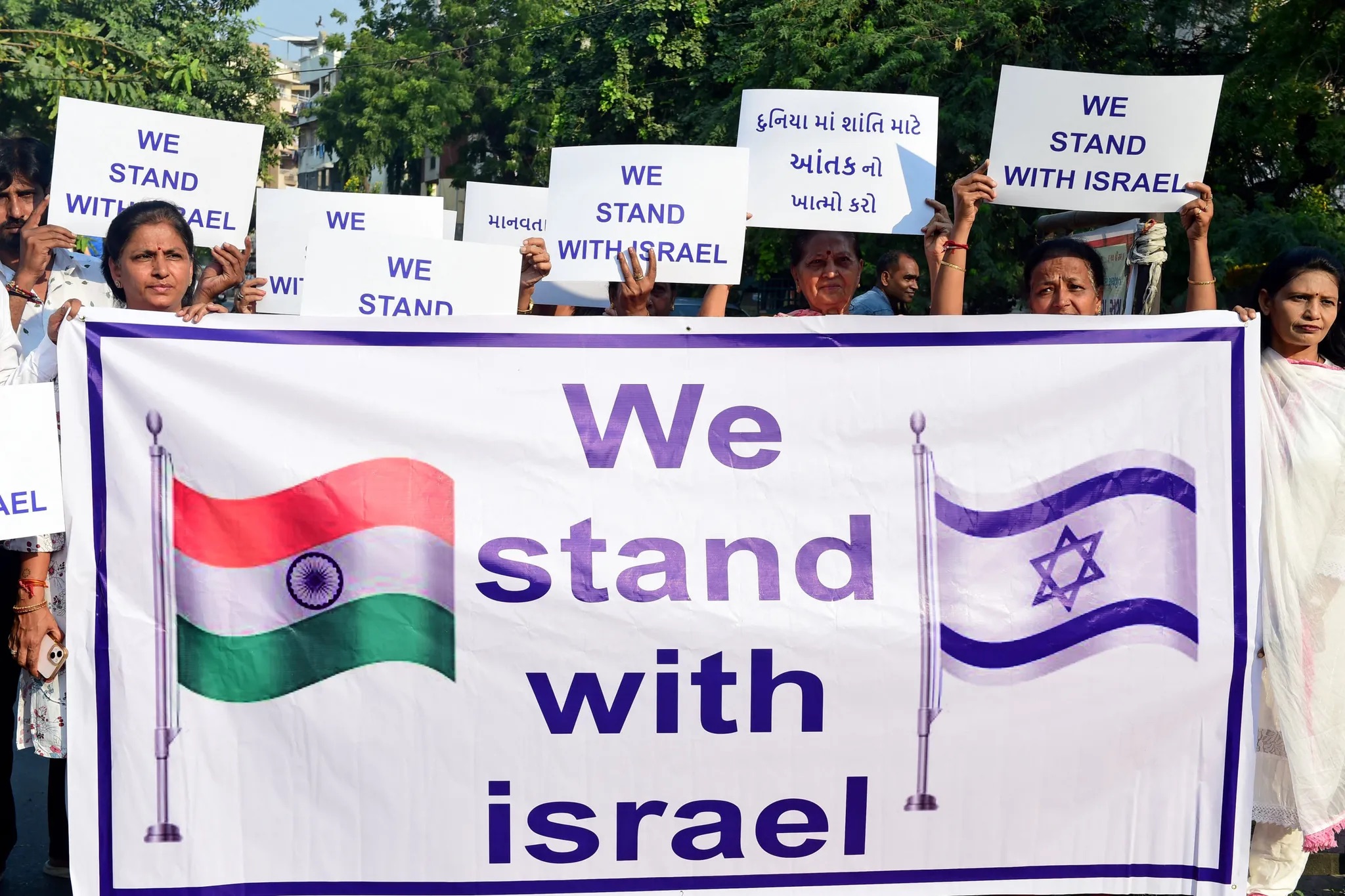
    Both Iran and Israel are strategic partners for India. Consequently, ties with both nations are not just symbolic but serve vital national interests. India has consistently emphasised it’s “close and friendly relations with both countries,” while also reaffirming it’s readiness to extend support to peacebuilding efforts in the region.

    India’s decision is not a lapse of morality, but a product of strategic necessity.

    Foreign minister S. Jaishankar conveyed to his Iranian counterpart Seyed Abbas Araghchi that India favours “dialogue, diplomacy and de-escalation.” Yet, he stopped short of criticising Israel, a nation with which India maintains robust defense ties. Israel is India’s second largest arms supplier. From precision-guided munitions to cutting-edge surveillance technology, the relationship is vital for India’s security posture.

    At the same time, Iran remains indispensable to India’s connectivity, energy security and regional influence. The Chabahar Port, co-developed by India, is a crucial trade and strategic corridor linking India to Central Asia and Afghanistan, bypassing Pakistan. But India’s relationship with Iran goes far beyond just port engagement. It views Tehran as a major economic partner, and admires Iran’s geographic centrality as a gateway between the Gulf, South Asia and Eurasia.

    India’s strategic silence is thus not surprising; it is a continuation of a pragmatic diplomatic tradition. As Kabir Taneja of the Observer Research Foundation aptly describes, India is an ‘outlier insider’ within groupings like the SCO. It participates, influences but preserves its sovereign flexibility.

    India’s decision has consistently signalled that it will not allow any multilateral forum, including the United Nations or the SCO, to dictate its national interest. This was also visible most recently in India’s abstention from the June 2025 UN General Assembly resolution calling for a ceasefire in Gaza. While the resolution received overwhelming support amidst humanitarian concerns. India stood apart, choosing not to alienate Israel or compromise its leverage.

    This moment also reflects India’s needs to juggle multiple, often competing global partnerships. Publicly siding with Iran could easily jeopardise New Delhi’s ambitions with Washington. At a time when India is negotiating a major trade agreement with Washington and facing threats of 27% tariff on exports, it cannot afford a rupture with it’s western ally.

    Moreover, India’s stakes in the Middle East runs deep. The region is home to more than eight million Indian expatriates and remains the primary source of India’s oil imports. A full-scale war between Iran and Israel would not only inflame sectarian tensions across the Gulf, but pose direct economic, political and human consequences for India.

    India remaining non-partisan is not hesitation, it is a form of diplomatic insulation from bias and influence. India knows that overt alignment with either side in this high-stakes rivalry would diminish its space for manoeuvre in global diplomacy. Critics may lament India’s lack of condemnation, but clarity often comes at the cost of leverage.

    New Delhi has chosen the difficult path of principled pragmatism, it’s strategy of restraint may prove its strongest tool, not to pick sides, but to stay in a position to mediate, influence and protect it’s national interests.

  • No mediators, no compromises just stop terror

    No mediators, no compromises just stop terror

    This article has been published at: https://newsarenaindia.com/opinion/no-mediators-no-compromises-just-stop-terror/45338

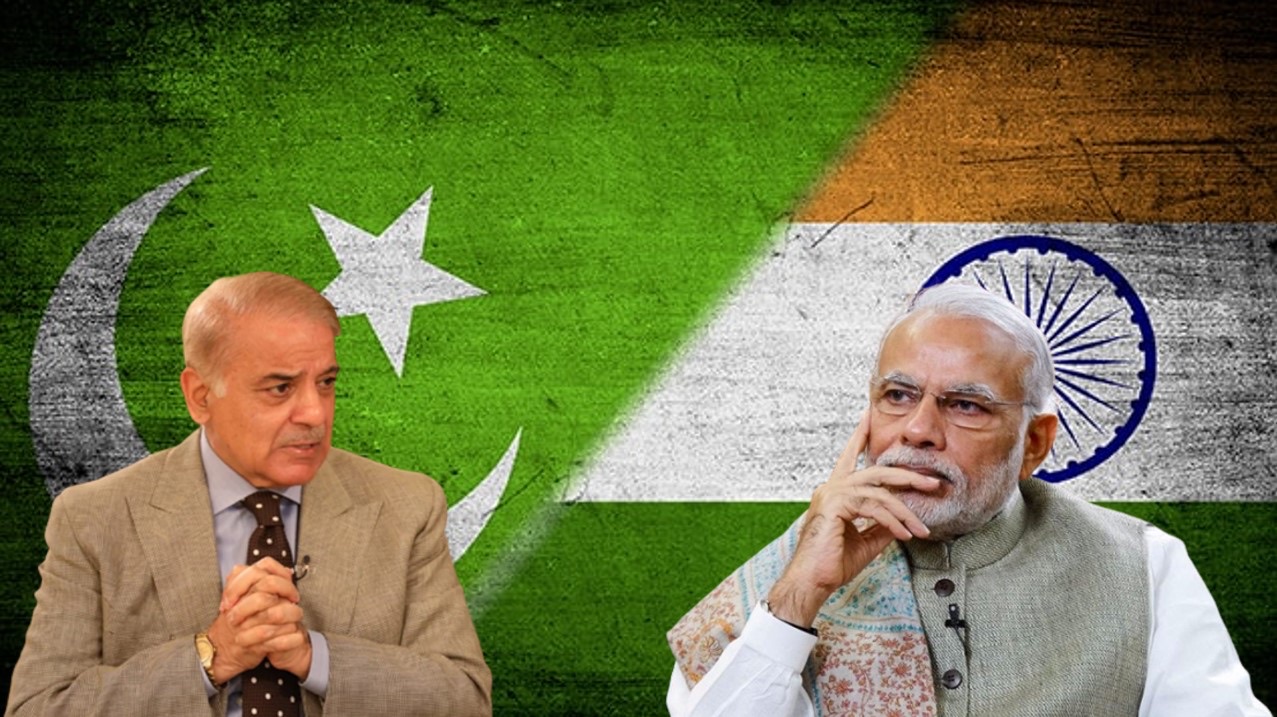
    India’s refusal to entertain any third-party mediation in its dealings with Pakistan is not stubbornness, it’s strategic clarity.

    There is a reason why India continues to stand its ground when it comes to dialogue with Pakistan. Not out of diplomatic vanity, nor to stonewall peace but because dialogue, when overshadowed by the spectre of terror, is not diplomacy. It is delusion.

    MEA Spokesperson Randhir Jaiswal reminded the world that New Delhi remains committed to bilateral dialogue but only when cross-border terrorism ceases. And yet, in a now-familiar manoeuvre, Pakistan has attempted to internationalise the matter again, reportedly seeking Saudi Arabia’s involvement as a third-party mediator. The intent is clear: shift the focus, reframe the narrative and evade accountability. India, rightly has refused to play along.

    To understand this position, one must return to the principle that governs it: bilateralism. Enshrined in the 1972 Simla Agreement and reaffirmed in subsequent moments of crisis, the notion that India and Pakistan must resolve their disputes bilaterally is not just diplomatic etiquette, it is an assertion of sovereignty.

    When the US President Trump claimed credit for the ceasefire, India was swift to clarify that it was not the handiwork of Washington but a quiet understanding between New Delhi and Islamabad.

    Well, extended applause is irrelevant if internal resolve is absent.

    Each time peace appears within reach, violence intervenes. And yet, India has kept the door to dialogue ajar, never shut, but grounded.

    As Prime Minister Modi has firmly stated on multiple occasions, “Terror and talks cannot go together.” The message is not one of hostility, but of principle and preconditions: dismantle terror, then we will talk.

    In this context, Pakistan’s attempt to bring in Saudi Arabia is not just unnecessary, it is inappropriate. Saudi Arabia is no neutral arbiter, it has deep-rooted ties to Pakistan, both religious and strategic.

    To suggest that it could act as a dispassionate broker is to stretch credibility. But more fundamentally, India does not require a broker. Not when the matter is one of national security. Not when the house is still burning.

    During the Kargil war in 1999, backchannel diplomacy played a significant role in de-escalating the conflict and ultimately leading to the withdrawal of Pakistani troops.  Mediation, especially in this region, has often served only to cloud accountability and offer both sides the illusion of progress, while leaving the core issues untouched.

    Pakistan may knock on the doors of Riyadh and Washington, but India will remain steadfast. No third-party interventions. No diluted demands. It is not a temporary peace that India demands but rather a pending human right call and a permanent solution for terrorism.

    Peace, after all, is not performed. It is prepared for. And India is simply waiting for Pakistan to do the same.

    The moment now calls for a structural change to maintain sustainable peace between the two nations.

    India’s refusal to entertain any third-party mediation in its dealings with Pakistan is not stubbornness, it’s strategic clarity.

    There is a reason why India continues to stand its ground when it comes to dialogue with Pakistan. Not out of diplomatic vanity, nor to stonewall peace but because dialogue, when overshadowed by the spectre of terror, is not diplomacy. It is delusion.

    MEA Spokesperson Randhir Jaiswal reminded the world that New Delhi remains committed to bilateral dialogue but only when cross-border terrorism ceases. And yet, in a now-familiar manoeuvre, Pakistan has attempted to internationalise the matter again, reportedly seeking Saudi Arabia’s involvement as a third-party mediator. The intent is clear: shift the focus, reframe the narrative and evade accountability. India, rightly has refused to play along.

    To understand this position, one must return to the principle that governs it: bilateralism. Enshrined in the 1972 Simla Agreement and reaffirmed in subsequent moments of crisis, the notion that India and Pakistan must resolve their disputes bilaterally is not just diplomatic etiquette, it is an assertion of sovereignty.

    When the US President Trump claimed credit for the ceasefire, India was swift to clarify that it was not the handiwork of Washington but a quiet understanding between New Delhi and Islamabad.

    Well, extended applause is irrelevant if internal resolve is absent.

    Each time peace appears within reach, violence intervenes. And yet, India has kept the door to dialogue ajar, never shut, but grounded.

    As Prime Minister Modi has firmly stated on multiple occasions, “Terror and talks cannot go together.” The message is not one of hostility, but of principle and preconditions: dismantle terror, then we will talk.

    In this context, Pakistan’s attempt to bring in Saudi Arabia is not just unnecessary, it is inappropriate. Saudi Arabia is no neutral arbiter, it has deep-rooted ties to Pakistan, both religious and strategic.

    To suggest that it could act as a dispassionate broker is to stretch credibility. But more fundamentally, India does not require a broker. Not when the matter is one of national security. Not when the house is still burning.

    During the Kargil war in 1999, backchannel diplomacy played a significant role in de-escalating the conflict and ultimately leading to the withdrawal of Pakistani troops.  Mediation, especially in this region, has often served only to cloud accountability and offer both sides the illusion of progress, while leaving the core issues untouched.

    Pakistan may knock on the doors of Riyadh and Washington, but India will remain steadfast. No third-party interventions. No diluted demands. It is not a temporary peace that India demands but rather a pending human right call and a permanent solution for terrorism.

    Peace, after all, is not performed. It is prepared for. And India is simply waiting for Pakistan to do the same.

    The moment now calls for a structural change to maintain sustainable peace between the two nations.

  • India’s zero tolerance towards hypocrisy

    India’s zero tolerance towards hypocrisy

    The article has been published at: India’s zero tolerance towards hypocrisy

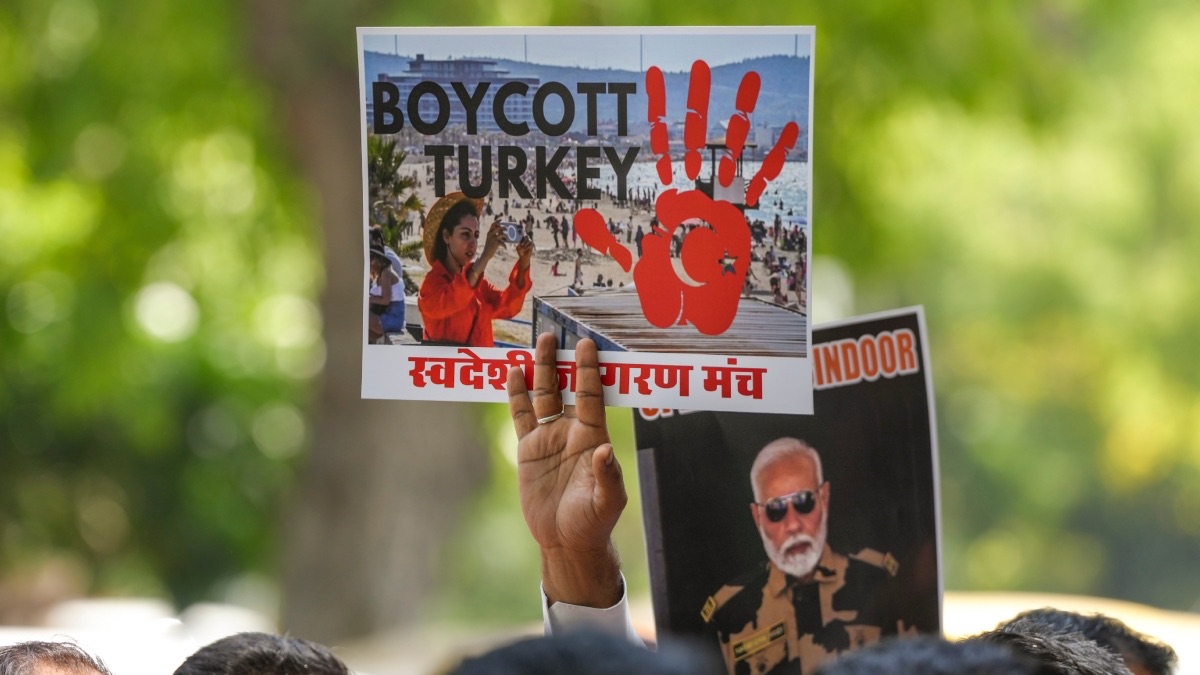
    Turkey, the supposed beneficiary of India has become complicit in undermining its sovereignty. It now supplies military-grade Songar drones to violate Indian airspace in the aftermath of Operation Sindoor.


    There are diplomatic missteps and then there is outright betrayal. What Turkey and Azerbaijan have displayed is not mere insensitivity, it is a full-throated alignment against a nation that once came to their aid without hesitation. Years of goodwill, friendship, and even humanitarian assistance were conveniently forgotten when it came to choose sides.

    During sensitive military operations, they openly backed Pakistan, trampling over India’s generosity with hypocrisy, ingratitude, and strategic short-sightedness.

    This behaviour warranted more than just a diplomatic frown; it called for a full-blown boycott. And that’s exactly what India has carried out, decisively and in unison.

    In 2023, when Turkey was devastated by a powerful earthquake, India was among the first responders. Operation Dost was a large-scale humanitarian mission mobilised within hours, which was not just a policy, but humanity in action. India extended a hand of solidarity.

    Fast forward to 2025, and that very same Turkey, the supposed beneficiary of India has become complicit in undermining its sovereignty. It now supplies military-grade Songar drones, which have been used to violate Indian airspace in the aftermath of Operation Sindoor. These are not second-hand deals. This is direct complicity in acts that endanger Indian lives.

    And yet, Turkey dares to pretend neutrality, issuing vague statements urging “both sides” to exercise restraint. Turkey’s hollow calls for peace are a smokescreen. If you’re actively supplying weapons to a state that harbours, trains, and exports terrorism, you can never be a neutral party.

    Turkey wasn’t alone in this selective amnesia. Azerbaijan, too, expressed solidarity not with India in its fight against terror, but with Islamabad.

    Let’s be honest: India has long been wary of this alliance, who increasingly behave like ideological cousins. Their joint military exercise in 2021, fittingly titled “Three Brothers,” was an early signal of what was to come. These were not routine drills, they now look more like rehearsals. Rehearsals for shared strategy, shared rhetoric, and shared hostility toward India.

    Turkey’s obsession with Kashmir hasn’t helped either. President Erdogan’s repeated, unsolicited remarks on Kashmir at forums like the UN and OIC have further soured bilateral relations.

    Speaking collectively on Kashmir while ignoring Pakistan-occupied territories exposes the alliance’s double standards. Now, India isn’t just expressing concern it’s responding.

    Jawaharlal Nehru University (JNU) has terminated its academic partnership with Turkey’s Inonu University, citing national security concerns. Business owners across India are taking a firm stand cancelling collaborations and cutting ties with Turkish firms. Travel platforms have reported an avalanche of cancellations, as Indians rethink their choices.

    From boardrooms to boarding gates, a quiet but powerful statement is emerging: even our holiday decisions can be acts of patriotism.

    The numbers speak volumes.

    In 2024, Turkey’s tourism revenue hit a record $61.1 billion. Of this, a substantial chunk came from India 3,30,000 Indian tourists visited Turkey in 2024, up from just 119,503 in 2014. Azerbaijan witnessed an even steeper rise, from just 4,853 Indian tourists in 2014 to 2,43,589 in 2024, according to its tourism board. Well, those numbers are now about to change.

    India is now reassessing ties not only with Pakistan but with those who cheerlead its proxies. In direct response to the “Three Brothers” axis, India has deepened strategic cooperation with their adversaries— Greece, Armenia, Israel, and Cyprus. Defence ties with Cyprus have expanded, and India is working more closely with Gulf states like UAE and Saudi Arabia to balance the influence of this trio.

    These are deliberate geopolitical counterweights. Both states made their choice, aligning with terror sympathisers, supplying arms to proxies, and iterating anti-India rhetoric. India, too, has made their choice, not with anger, but with clarity.

    The message is simple, ‘You cannot insult India’s sovereignty, aid its enemies and still expect their business, tourism or goodwill. India believes in peace, but not at the cost of self-respect.’

    It is evident that both Turkey and Azerbaijan axed their own feet and cut the very branch they were sitting on.

    PM Modi’s words are now rising louder than ever that “Trade and terror cannot flow together.” Both nations chose to be on the wrong side of history, now they cannot expect India to fund their future.

  • Why counterterrorism needs reinvention

    Why counterterrorism needs reinvention

    The article has been published at: Why counterterrorism needs reinvention

    Terror does not only breed in training camps, it also festers in ideology, poverty, resentment, and political inertia. You can destroy a camp, but cannot bomb an idea. Counter-terrorism goes beyond drone precision, it is also about interfaith dialogue, regional diplomacy, community engagement and education reform.


    What fractured the already fragile peace between the two neighbours was not a conventional military confrontation, but a heinous act of terror, which is both a symptom and the root cause of this latest escalation.

    India’s decision to retaliate following the grotesque, Gestapo-style massacre of innocent tourists in Pahalgam was not merely military, it was emotive. The strikes were not bombs dropped on terror camps, they were statements, both loud and deliberate against an entrenched terror-exporting infrastructure operation under the shadow of the Pakistani state.

    But here lies the deeper danger. To assume that terrorism has a single address – Muzaffarabad or some cave in PoK, is to miss the forest for the trees. Eradicating terror from Pakistan, even if possible, will not automatically bring peace to the subcontinent.

    That’s because terror does not only breed in training camps, but it also festers in ideology, poverty, resentment, and political inertia. You can destroy a camp but cannot bomb an idea.

    The architecture of hate and radicalisation is no longer geographically confined. In an age of digital propaganda and algorithmic chambers, extremism can be brewed from across continents. It can be whispered in rooms, coded into textbooks or streamed into smartphones. The real war, then is not about territory but instead, narratives.

    India’s actions are not isolated, they reflect a broader pattern seen globally. For instance, Israel’s targeted strikes against Hamas in Gaza and the United States operations against Al-Qaeda and ISIS demonstrate that while military actions can dismantle terror infrastructure, they often do not eradicate the underlying ideologies.

    The Global War on Terror (GWOT) was a campaign launched in the aftermath of September 11, 2001, terrorist attacks on the U.S. The then-President George W. Bush launched a comprehensive plan to eliminate and disrupt all terrorist organisations around the globe. He said, “Our war on terror begins with Al-Qaeda, but it does not end there, it will not end until every terrorist group of global reach has been found, stopped and defeated.” The Global War on Terror (GWOT) disrupted extremist groups, dismantled safe havens, cut off terror financing, and enhanced global security, reducing the immediate threat to the U.S. homeland. However, it also fueled radicalisation and paved the way for new extremist groups to emerge and spread violence.

    Terrorism isn’t a tangible disease, but its spread can be just as insidious. These ideologies, if left unaddressed can resurface in new forms and locations. Often adapting into lone-wolf attacks, digital recruitment and transnational cells as well. India’s military preparedness speaks it’s determination to protect it’s citizens and sovereignty. However, it requires a holistic strategy that includes counter-radicalisation efforts, international cooperation, and addressing the socio-economic factors behind such extremism.

    India must continue to strengthen its internal resilience and work with global partners to ensure the ideology of terror finds no fertile ground to grow, because “if you let the snake live, it will grow it’s fangs again.”

    Counter-terrorism today goes beyond drone precision, it is also about interfaith dialogue, regional diplomacy, community engagement and education reform.

    The message from New Delhi is unequivocal: terror will not be normalised. If the past decade has taught the world anything, it is that democracies cannot afford to be complacent. Whether in Kashmir or Tel Aviv, the cost of ignoring ideological extremism is always paid in innocent lives.

    Well, if terror is both a symptom and a root cause, can we truly combat it without first confronting the ideologies that give it life?

  • India must turn US sympathy into strategic support

    India must turn US sympathy into strategic support

    The article is published with: https://newsarenaindia.com/opinion/india-must-turn-us-sympathy-into-strategic-support/42895

    In a week dominated by the tragic incident in Pahalgam and tensions along India-Pakistan frontier, it became easy to forget an otherwise crucial diplomatic moment, the four-day visit of US Vice-President JD Vance to India.

    Vance’s first official trip may not have made front-page headlines, but its impact on the Indo-U.S. relationship is worth reflecting upon. From his first stop in New Delhi to Jaipur, Vance’s message was consistent that the U.S. sees India not just as a partner of the future, but a critical ally. “We must ensure fair access to Indian markets, and we believe that deeper cooperation will unlock growth opportunities for both our countries. A fair, mutually beneficial partnership is essential for the 21st century,” Vance said.

    There is a deeper pattern that links Vance’s strategic language in India. A triangle of concern, China, Islamist terrorism and economy sits at the heart of India and U.S. shared worldview. Both nations see the rise of China not just as a geopolitical issue but as a technological and trade imbalance. Vance did not name Beijing directly, but his intent was clear when he stated, “Our future cannot depend on authoritarian supply chains. We must build with partners who share our values.”

    Likewise, the terror attack in Kashmir was not only a violent act, it was a strategic cry for relevance. “The attack in Kashmir wasn’t just an act of terror, it was an act of desperation,” said a senior Indian intelligence official, speaking off the record. “It aimed to remind Washington that Pakistan is still a matter of concern, but the world isn’t listening the way it once did.”

    The terror attacks in India highlights that Pakistan still clings to tactics it believes can deliver results. Yet increasingly, these acts are backfiring, inviting growing international backlash against Islamabad. With US engagement with India now on a different plane, Pakistan’s military-industrial complex, unable to adjust to this new reality, seems destined to repeat its strategic missteps.

    For India, this is a pivotal moment. New Delhi must now push harder to convert sympathy into sustained support, not just in words, but in actionable partnerships to counter cross-border terrorism.

    Unlike Vance’s usual rhetorical style, his tone in India was warm and affirming. “If India and the United States work together successfully, we are going to see a 21st century that is prosperous and peaceful”, Vance said in a public address. His personal praise for Modi was not superficial. It was a signal that Washington sees India and Modi specifically as fundamental in determining the world order. “I have seen first-hand energy of this country, the optimism, the investment in the future, we need that spirit back home too.”, Vance said.

    On Friday, the United States publicly urged India to “bring the perpetrators to justice”. “We are with you and support you as you hunt down those responsible for this heinous attack,” US Intelligence czar Tulsi Gabbard said in a statement, calling the Pahalgam attack an “Islamist terrorist attack, targeting and killing 26 Hindus.”

    Trump had earlier maintained that India has the right to self-defense against acts of terror. The latest statements from Washington seem to indicate that the United States would not oppose any decisive action New Delhi might take against Pakistan even across the border, especially after a senior Pakistani minister openly admitted to institutional support for terrorism while criticising the West for reducing Pakistan to a rentier state.

    India cannot afford to let this diplomatic opening slip away. Washington’s warm words and Vance’s visit must be channeled into concrete commitments on intelligence sharing and counter-terrorism cooperation. New Delhi must rise to this occasion, and ensure that goodwill turns into guarantees.

  • Waqf: An audit of accountability

    Waqf: An audit of accountability

    The article has been published at : Waqf: An audit of accountability

    The tragic Pahalgam attack gripped the nation and dominated headlines, but quietly in the background, a different kind of assault was underway, this time on constitutional rights. The uproar over the Waqf Amendment Bill 2025 was intense. Protests surged, dissent filled the streets and one devastating headline eclipsed another.

    What began as a reform measure to clean up the cobwebs around Waqf properties has spiralled into a ‘communal shouting match’.

    In the latest run, over 100 petitions later, the Supreme Court refused to entertain any further fresh writ petition challenging the act, signalling that the court may be drawing a line against being used as a battleground for identity politics.

    And yet, the noise outside the courtroom only gets louder. While the Congress has rolled out its ‘Samvidhan Bachao Andolan’ and leaders like Mohammed Ali Shabbir claim that the bill is an attack on Islam itself, there’s an uncomfortable but necessary truth that more Muslims need to reckon with, one that the Governor of Bihar, Arif Mohammad Khan has repeatedly underlined. “The word ‘Waqf’ doesn’t even appear in the Holy Quran”, he said. So why are we letting Maulanas drag religion into what is clearly a governance and accountability issue? He pointed out that the ultimate sufferers are the poor Muslims who need help. “Had the Waqf boards done their work efficiently, there would have been no reason to amend the old Waqf Act”, he said. This point must be kept in mind in the ongoing debate on this controversial issue.

    Many leaders have pointed out that this is not about Muslims vs the BJP. This is about accountability vs opacity. The numbers speak for themselves, Waqf land holdings have more than doubled from 4.5 lakh in 2006 to 8.72 lakh in 2024, with the total land area increasing from 6 lakh acres to 37.94 lakh acres. Yet, the actual reported income generated is a pitiful ₹163 crore to ₹166 crore, while experts estimate it to be around 1 lakh crore annually.

    Campaigns against the act have framed it as a threat to minority rights. But at no point does the amendment challenge the right of Muslims to practice or manage their religious spaces. Instead, it places scrutiny on the administrative functioning of the Waqf boards, how properties are identified, registered and used.

    Earlier, In Karnataka, the BJP government already initiated geo-tagging and digital mapping of Waqf lands to reduce misuse. Interestingly, even Congress governments in the past like in Telangana have attempted Waqf audits and proposed stronger oversight mechanisms, though with limited success. The problem, it seems, is not who introduces the reform but who is willing to see it through.

    Safeguarding minority rights should never mean exempting institutions from reform. This act, when read closely ensure that Waqf boards continue to function, but with greater public responsibility. The idea is not to dismantle but to democratise, not to erase but to ensure lawful use of charitable property.

    There are genuine concerns in the community, especially in an environment that often stokes fear. But reforms should be critiqued on the basis of their text, impact, and intent not merely on who introduced them.

    Campaigns are ongoing, positions have been at stakes and now the law will speak. What the court decides on May 5 will not just shape the fate of the Waqf Act, but will set the tone for how we approach institutional reform in religious and minority spaces going forward. Reform is not inherently anti-minority and resistance is not inherently unreasonable. But somewhere, the two must find a common ground.

    Whatever the verdict may be, one hopes it marks a shift towards a more transparent governance not just of Waqf properties but of all public and religious trusts across India.